








Introduction
The word abradore can be confusing when it appears in dog-related searches. It looks similar to “Labrador,” and in many cases it is used as an alternative or informal spelling connected with the Labrador Retriever. However, it is important to separate the unusual term from the officially recognized breed name.
The recognized breed is the Labrador Retriever. The American Kennel Club lists the Labrador Retriever as a sporting breed and describes it as an active, friendly, outgoing dog. The breed was recognized by the AKC in 1917.
Because different websites have used the word in different ways, understanding the background of abradore helps avoid confusion. Rather than treating it automatically as the name of a separate breed, it is more accurate to examine how the term relates to the Labrador Retriever and what is actually known about this well-established dog.
What Does Abradore Mean?
In dog-related searches, abradore is generally associated with the Labrador Retriever rather than being the formal name of an independently recognized breed.
The spelling can be encountered in online material and historical references, which explains why someone searching for information about a Labrador may come across the unusual term. The important distinction is that major breed standards use the name Labrador Retriever, not abradore.
This difference matters when researching a dog’s breed, pedigree, physical characteristics or expected temperament. A spelling variation does not automatically establish a new breed with its own recognized standard.
Is Abradore an Official Dog Breed?
Labrador Retriever Is the Recognized Breed Name
There is no established major kennel-club breed standard for a dog formally called “Abradore.” The recognized breed associated with the term is the Labrador Retriever.
The American Kennel Club’s official Labrador Retriever standard describes a strongly built, medium-sized, athletic dog developed to work as a retrieving gun dog while also having the temperament to serve as a family companion.
That distinction is especially useful when buying or adopting a dog. If a seller uses an unusual name such as abradore, a prospective owner should ask about the dog’s actual breed, parents and pedigree rather than assuming the name represents a separately recognized breed.
Why Is the Term Abradore Confusing?
Different Online Uses Can Create Mixed Information
One reason abradore can be difficult to research is that informal terminology does not have the same strict definition as an official breed name.
A recognized breed has a documented history and breed standard describing its accepted characteristics. The Labrador Retriever has those established standards, while the word abradore does not have an equivalent universally accepted standard.
This means descriptions found under the unusual spelling should be checked against reliable information about the Labrador Retriever. Claims about a completely separate breed should not be accepted simply because a website uses the term that way.
The History Behind the Labrador Retriever
Origins in Newfoundland
The history connected with abradore ultimately leads back to the Labrador Retriever’s origins.
Despite its name, the Labrador Retriever did not originate in the Labrador region. Its early history is linked to Newfoundland, Canada, where working water dogs became valuable companions for fishermen and hunters.
These early dogs were known for their ability in water and their willingness to retrieve. They could help with fishing activities and later became useful hunting companions.
The dogs that became the foundation of the modern Labrador Retriever were eventually brought to England. English breeders and sporting families developed and standardized the breed, helping establish the Labrador Retriever that is recognized today.
From Working Dog to Modern Companion
The Labrador’s original working purpose explains many of its characteristics. The breed was developed to cooperate with people, retrieve objects and work in challenging outdoor conditions.
Its strong swimming ability, enthusiasm for retrieving and willingness to learn were useful qualities for hunters and fishermen. These same characteristics remain important parts of the breed today.
The Labrador Retriever later became popular not only as a sporting dog but also as a companion and working dog in a variety of roles.
Physical Characteristics of the Labrador Retriever
Size and Build
The Labrador Retriever is a medium-to-large, strongly built dog with an athletic and balanced appearance.
According to the American Kennel Club, males generally stand around 22.5 to 24.5 inches at the shoulder and weigh approximately 65 to 80 pounds. Females generally stand around 21.5 to 23.5 inches and weigh approximately 55 to 70 pounds. Individual dogs can naturally vary.
The breed was developed for practical work, so its body should be capable of sustained activity rather than being built only for appearance.
Coat and Tail
One of the Labrador’s most recognizable features is its short, dense coat. The official breed standard describes the coat as weather-resistant, with an undercoat that helps protect the dog from water and cold conditions.
The breed is also known for its distinctive “otter” tail. This thick tail helped the dog perform effectively in water and remains an important characteristic of the breed standard.
Coat Colors
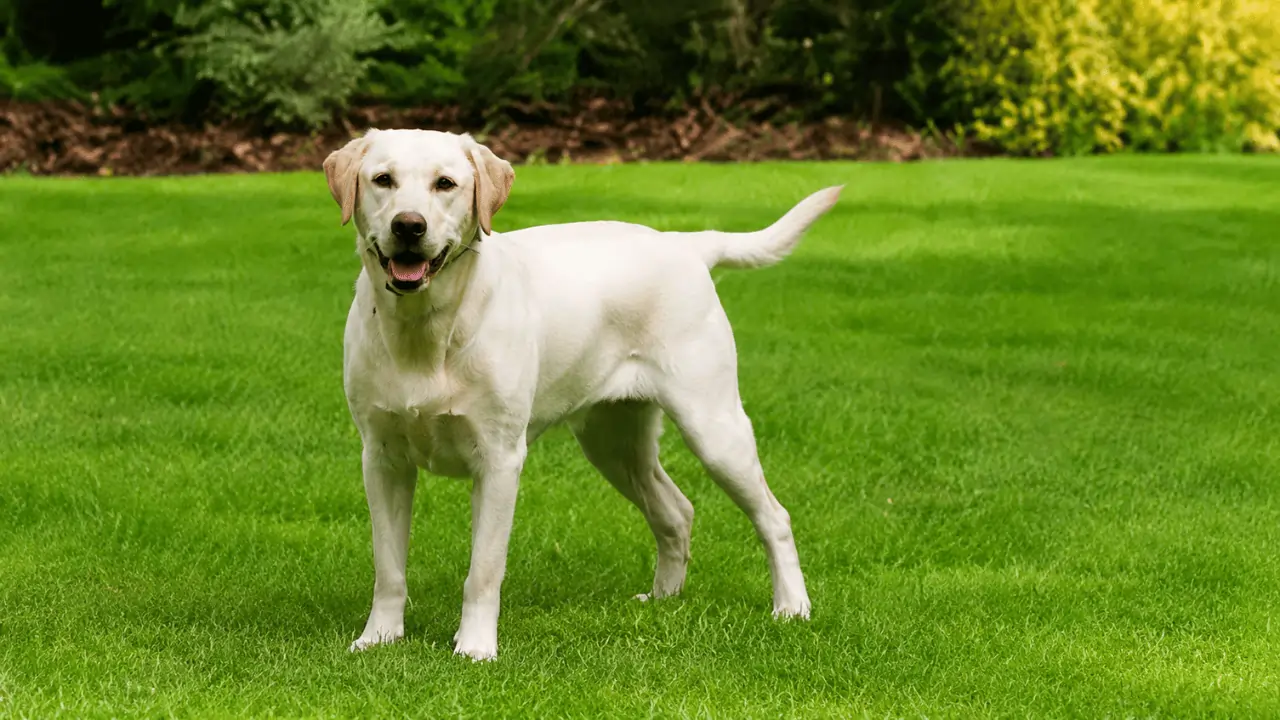
The three standard Labrador Retriever colors are black, yellow and chocolate.
These colors are specifically recognized in the AKC breed standard. Coat shades can vary within these categories, but the recognized standard colors remain black, yellow and chocolate.
Abradore Temperament and Personality
If someone uses abradore to refer to a Labrador Retriever, the personality traits they are describing generally relate to the Labrador.
Labradors are widely known for being friendly, energetic and people-oriented. The breed standard emphasizes a stable temperament, while the AKC describes the breed as friendly, outgoing and high-spirited.
A Labrador often enjoys being involved in family activities. It may be eager to play, retrieve objects, explore outdoors or spend time with its owners.
However, individual personality can vary. Genetics, early socialization, training and the dog’s environment all influence behavior.
Intelligence and Trainability
Why Labradors Learn Well
Labradors were developed to work alongside people, so cooperation and trainability are important characteristics.
They can learn basic obedience commands and more advanced tasks when training is consistent and appropriate. Their willingness to work has also contributed to their use in different working roles.
Training should be based on patience, consistency and positive reinforcement. Young dogs in particular benefit from clear routines and appropriate boundaries.
Mental Stimulation Matters
Physical activity is only part of keeping an energetic Labrador engaged. Retrieving games, scent activities, obedience practice and other suitable forms of mental stimulation can provide useful challenges.
A dog that receives appropriate opportunities to exercise its body and mind is generally better positioned to settle at home.
Exercise Requirements
An Active Breed Needs Daily Activity
The Labrador Retriever was developed as a working and sporting dog, so regular physical activity is an important part of responsible ownership.
Walking, playing, retrieving and age-appropriate outdoor activities can help meet its needs. Labradors often enjoy swimming because of their history as water dogs.
Exercise should always be appropriate for the dog’s age and physical condition. Young puppies, older dogs and dogs with individual health considerations may require different activity levels.
The key point is that a Labrador is not normally suited to a lifestyle where it receives very little daily activity.
Grooming and Everyday Care
Managing the Short Coat
Labradors have short coats, but they can shed a significant amount of hair. Regular brushing can help remove loose hair and keep the coat in good condition.
Routine care should also include checking the ears, keeping nails at a suitable length and maintaining good dental hygiene.
Feeding and Weight Management
Labradors can be enthusiastic about food, so responsible feeding is important. Portion sizes should be appropriate for the individual dog’s age, activity level and nutritional requirements.
Regular exercise combined with sensible feeding can help support a healthy body condition.
Owners should also arrange appropriate veterinary care and discuss nutrition, vaccinations and preventive healthcare with a qualified veterinarian.
Abradore and Family Life
A Labrador Retriever can be a good family companion because of its generally sociable nature and willingness to interact with people.
However, owning a dog requires a long-term commitment. Families should consider whether they have enough time for exercise, training, companionship, grooming and veterinary care.
Children should also learn how to behave respectfully around dogs. A dog needs opportunities to eat, sleep and rest without being disturbed.
The Labrador’s friendly reputation should not be interpreted as a guarantee that every individual dog will behave identically. Responsible supervision and proper socialization remain important.
Working Roles of the Labrador Retriever
The Labrador’s abilities extend far beyond life as a household pet.
Its intelligence, sense of smell, physical ability and willingness to cooperate have made it useful in retrieving work and various assistance and detection roles.
The breed has also been selected for guide and rescue work. Its history as a working dog is one reason its athletic build and cooperative temperament remain important characteristics.
Common Misconceptions About Abradore
Abradore Does Not Have the Same Status as Labrador Retriever
The biggest misconception is assuming that abradore is automatically the official name of a separate recognized breed.
The established breed name is Labrador Retriever, with documented breed standards, history and recognized characteristics.
The Labrador Did Not Originate in Labrador
Another common point of confusion involves the breed’s name.
The Labrador Retriever’s early origins are associated with Newfoundland rather than the Labrador region. Working water dogs from Newfoundland eventually contributed to the development of the modern Labrador Retriever in Britain.
A Name Does Not Establish a Breed
If a dog is advertised using the term abradore, the name alone does not tell you whether the dog is a purebred Labrador Retriever, a Labrador mix or another type of dog.
Information about the dog’s parents, pedigree and documented breed history is much more useful when determining what kind of dog it actually is.
Is a Labrador Retriever Right for You?
A Labrador may be a strong match for an owner who wants an active, social and trainable companion.
It can suit people who enjoy walking, outdoor activities, training and interactive play. Families may also appreciate the breed’s friendly nature.
At the same time, the Labrador’s energy, shedding and need for attention should not be overlooked. A person seeking a very low-maintenance or extremely sedentary dog may find the breed less suitable.
Before getting a dog, it is wise to consider the commitment involved over the animal’s entire life rather than focusing only on appearance or popularity.
Final Thoughts on Abradore
The term abradore can lead to confusion because it is not the standard name of a recognized dog breed. In dog-related contexts, it is most useful to understand the word in connection with the Labrador Retriever while being careful about websites that give it an unsupported separate breed identity.
The Labrador Retriever has a well-documented history that begins with working water dogs in Newfoundland and continues through its development in Britain. Today, it is recognized for its athletic build, weather-resistant coat, retrieving ability, intelligence, friendly temperament and versatility.
For anyone who encounters the term abradore, checking the actual breed information is more reliable than relying on the spelling alone. When a dog is being offered under that name, details about its parents, pedigree and breed documentation can provide a much clearer picture.
Frequently Asked Questions
1. What is abradore?
Abradore is a term encountered in some dog-related material and is commonly associated with the Labrador Retriever. It is not the standard official name of the recognized Labrador Retriever breed.
2. Is Abradore a separate recognized dog breed?
No recognized breed standard establishes Abradore as a separate breed comparable to the Labrador Retriever. The established breed name is Labrador Retriever.
3. Where did the Labrador Retriever originate?
The Labrador Retriever’s early origins are associated with Newfoundland, Canada. Working water dogs there were later brought to Britain, where the breed was further developed and standardized.
4. What colors can a Labrador Retriever have?
The three standard Labrador Retriever colors are black, yellow and chocolate. These are the colors specified in the AKC breed standard.
5. Are Labrador Retrievers good family dogs?
Labradors are generally friendly, outgoing and people-oriented, which can make them good family companions. They still require appropriate exercise, training, socialization, supervision and routine care.
Read More: Easyjet Flight U2238 Emergency Landing Newcastle: What Happened and Why the Flight Diverted