








Introduction
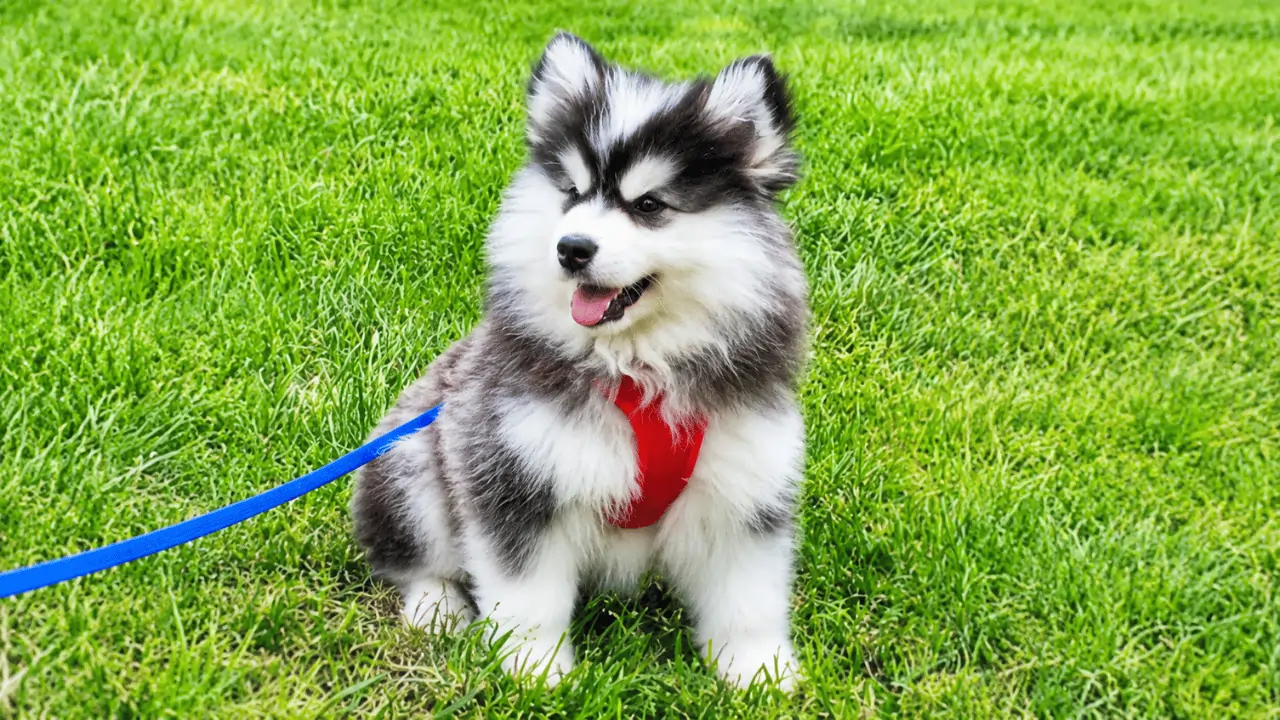
A fluffy coat, pointed ears, expressive eyes, and a compact body can make the Pomerusky look like a miniature Siberian Husky. The name is commonly used for the Pomeranian and Siberian Husky mix, more widely known as the Pomsky. It is a relatively new designer cross, and its appearance and personality can vary because puppies inherit different combinations of traits from both parent breeds.
Behind the attractive appearance is an active, intelligent dog that needs proper training, regular exercise, grooming, and attention. A small body does not necessarily mean a low-maintenance lifestyle. Understanding the dog’s background and likely needs can help owners decide whether this unusual mix fits their home.
What Is a Pomerusky?
A Pomerusky is a cross between a Pomeranian and a Siberian Husky. The more established name for this cross is Pomsky, while Pomerusky is used as an alternative term. The cross became known in the early 2010s, with the first intentional breeding efforts dating to around 2012.
The two parent breeds have a major difference in size. Pomeranians are small toy dogs, while Siberian Huskies are much larger working dogs. Because of this difference, first-generation puppies have traditionally been produced using a Siberian Husky female and a Pomeranian male through artificial insemination.
The result is not a standardized purebred dog. There is no guarantee that every puppy will have the same body size, coat pattern, eye color, or temperament. Genetics can make one puppy look strongly Husky-like while another may show more of the Pomeranian’s features.
Pomerusky Appearance
The appearance of a Pomerusky is one of its biggest attractions. Many have a fluffy double coat, pointed ears, a curled or fox-like tail, and facial markings that resemble a smaller Siberian Husky.
Their coat can appear in colors such as white, gray, black, brown, red, cream, or combinations of these shades. Some dogs have masks or other markings associated with their Husky ancestry. The exact appearance depends on the genetics inherited from both parents.
Pomerusky Eye Colors
Eye color can also vary. Brown, blue, amber, green, and gray eyes have been reported in Pomskies. Some dogs may have two different-colored eyes, a trait known as heterochromia that is also seen in Siberian Huskies.
Blue eyes can make these dogs particularly eye-catching, but eye color should not be the main reason for choosing a puppy. Health, temperament, breeding practices, and the condition of the parents matter much more.
Pomerusky Size and Weight
There is no single official size standard for the Pomerusky because it is a crossbreed. Published breed information commonly places adults somewhere around 10 to 18 inches in height, with weight varying according to generation and parental size. Some sources list typical weights around 16 to 24 pounds, while broader ranges can reach approximately 12 to 35 pounds.
This variation is something potential owners should understand before buying a puppy. A puppy advertised as a particular size is not guaranteed to remain exactly that size as an adult.
Why Size Can Vary So Much
The biggest reason is the difference between the parent breeds. A puppy that inherits more of the smaller Pomeranian’s physical characteristics may remain quite compact, while another puppy can inherit a larger frame from its Husky side.
Generation also matters. Different breeding combinations can produce differences in size, coat, and appearance, so the parents and their lineage provide useful information when estimating an adult dog’s characteristics.
Pomerusky Temperament
A Pomerusky can be affectionate, playful, intelligent, energetic, curious, and strongly attached to its owners. Both parent breeds are known for being intelligent and active, so this mix often benefits from having something to do rather than spending the entire day without stimulation.
The personality is not identical in every dog. Some may be outgoing and friendly, while others can be more independent or cautious around unfamiliar people. The Husky side can contribute a vocal and adventurous personality, while the Pomeranian side can bring confidence and a strong-willed attitude.
Are Pomeruskys Vocal Dogs?
They can be. Both Pomeranians and Siberian Huskies can be vocal, although they express themselves differently. A Pomerusky may bark, whine, or even develop Husky-like howling habits.
Boredom can make vocal behavior worse. Regular exercise, training, interaction, and mental activities can help give the dog appropriate ways to use its energy.
Training a Pomerusky
Training should begin early and remain consistent. Intelligence can make this mix quick to learn, but intelligence does not automatically mean obedience. Some dogs can inherit an independent or stubborn side from either parent.
Short training sessions are usually more useful than repetitive sessions that go on for too long. Basic commands such as sit, stay, come, down, and leave it are good foundations.
Early Socialization Matters
Socialization should start when the dog is young. Gradual exposure to different people, safe environments, household sounds, and appropriately selected dogs can help a puppy become more confident.
Extra care is needed around cats and other small pets. A Pomerusky may not automatically understand that every small animal is a companion, so introductions should be slow and supervised.
Exercise Requirements
Despite its smaller size, the Pomerusky can have considerable energy. Exercise needs differ between individual dogs, but daily walks combined with play and mental stimulation are a good starting point.
Activities can include walking, hiking, retrieving games, obedience practice, food puzzles, and other activities that require the dog to think. Veterinary guidance can help determine an appropriate exercise routine for a particular dog’s age, health, and physical condition.
A dog that receives little stimulation may become restless or develop unwanted habits. Chewing, excessive barking, digging, and other destructive behaviors can sometimes be signs that the dog’s needs are not being met.
Grooming and Shedding
The thick double coat is another characteristic inherited from the parent breeds. A Pomerusky can shed regularly and may lose larger amounts of loose hair during seasonal shedding periods.
Regular brushing helps remove loose hair and prevents the coat from becoming tangled or matted. The exact brushing schedule depends on the individual dog’s coat, but owners should expect grooming to be a routine part of life with this mix.
Other Grooming Needs
Coat care is only one part of grooming. Nails should be trimmed when necessary, ears should be checked regularly, and dental care should not be ignored.
Regular brushing of the teeth can help reduce plaque buildup. Veterinary examinations are also useful for identifying dental, skin, eye, or other health concerns before they become more serious.
Feeding a Pomerusky
A Pomerusky should receive a complete and balanced dog food appropriate for its age, size, activity level, and health needs. Puppies, adults, and senior dogs can have different nutritional requirements.
Portion size should not be based only on how much the dog seems to want. Maintaining a healthy body condition is more useful than simply filling the bowl whenever it is empty.
A veterinarian can help determine an appropriate feeding amount, particularly if the dog has allergies, weight concerns, digestive problems, or another health condition. PetMD notes that a complete and balanced diet is normally sufficient unless a veterinarian recommends something additional for a specific medical reason.
Pomerusky Health Concerns
Because the Pomerusky is a relatively new cross, there is less long-term breed-specific research than there is for established dog breeds. That makes it difficult to create a definitive list of conditions that every dog will develop.
Potential concerns can include problems associated with the parent breeds, including hip dysplasia, patellar luxation, allergies or skin problems, dental disease, and certain eye conditions. This does not mean every Pomerusky will develop these problems. Genetics, breeding quality, lifestyle, and veterinary care all influence individual health.
Choosing a Healthy Puppy
A responsible breeder should be willing to discuss the health of both parents and provide appropriate veterinary records. Buyers should be cautious when a seller focuses heavily on unusual colors, tiny size, or blue eyes while avoiding questions about health and breeding history.
The goal should be a healthy, well-socialized puppy rather than the most unusual-looking puppy in the litter.
Pomerusky Lifespan
Published sources commonly place the expected lifespan of a Pomerusky or Pomsky at roughly 12 to 15 years, although individual dogs can live for shorter or longer periods.
Good nutrition, healthy weight management, regular exercise, preventive veterinary care, dental care, and responsible breeding can all contribute to a dog’s quality of life.
Can a Pomerusky Live in an Apartment?
Apartment living can work for a Pomerusky if the owner provides enough daily exercise and mental stimulation. A large yard is useful, but having a yard does not replace walks, training, or interaction.
Noise is worth considering. A vocal dog may create problems in an apartment building if barking or howling is not managed.
The size of the home is therefore only part of the question. The owner’s schedule, willingness to exercise the dog, ability to provide companionship, and commitment to training are more important factors. Pomskies can adapt to apartment environments when their physical and mental needs are properly addressed.
Is a Pomerusky Good for Families?
A well-socialized individual can be a fun and affectionate family companion. However, its suitability depends on the dog’s temperament and the family’s lifestyle.
Families with older children may find the mix easier to manage because older children can better understand how to interact with a dog. Young children should always be supervised around dogs, particularly when the dog is small.
Homes with cats or other small animals may require additional care because individual dogs can respond differently to smaller pets. Slow introductions and supervision are important.
Pomerusky vs. Pomeranian and Siberian Husky
The Pomerusky combines characteristics from two very different parent breeds, but it should not be expected to behave like a perfect halfway point between them.
A Pomeranian is considerably smaller, while a Siberian Husky is larger and built for endurance. The cross can inherit the Pomeranian’s confidence and compact build along with the Husky’s athletic ability, intelligence, vocal nature, and distinctive appearance.
This genetic variation is why photographs alone cannot tell a prospective owner exactly what a puppy will become. Meeting the parents and learning about their temperament and health history can provide a better idea of what to expect.
What to Consider Before Getting a Pomerusky
The cute appearance can make this mix tempting, but ownership involves more than having an attractive dog around the house.
A prospective owner should be prepared for:
- Regular exercise and daily activity
- Mental stimulation and training
- Frequent coat brushing
- Regular shedding
- Possible barking or howling
- Early socialization
- Routine veterinary care
- Dental and nail care
- Responsible feeding
- Long-term financial and time commitments
The Pomerusky can be a rewarding companion for an owner who understands these responsibilities. It is less suitable for someone looking for a dog that can be ignored for long periods or requires very little grooming and activity.
Final Thoughts
The Pomerusky has gained attention for good reason. It can combine the fluffy appearance of a Pomeranian with the distinctive facial features and athletic character associated with a Siberian Husky. But its appeal should not hide the practical side of ownership.
This mix can be energetic, intelligent, vocal, affectionate, and sometimes stubborn. Its coat requires regular care, its mind needs stimulation, and its temperament can differ from one dog to another.
For someone prepared to provide consistent training, exercise, companionship, grooming, and veterinary care, a Pomerusky can become a lively and affectionate household companion. The best choice is not simply the puppy with the most striking eyes or Husky-like markings. Health, temperament, responsible breeding, and compatibility with the owner’s lifestyle should come first.
Frequently Asked Questions
1. What is a Pomerusky?
A Pomerusky is a cross between a Pomeranian and a Siberian Husky. The cross is more commonly known as a Pomsky, and individual dogs can differ considerably in size, appearance, coat, and temperament.
2. How big does a Pomerusky get?
Adult size varies because the parent breeds are very different in size. Many Pomskies fall within a small-to-medium range, with commonly reported figures around 10 to 18 inches in height and roughly 16 to 24 pounds, although individual dogs can be smaller or larger.
3. Does a Pomerusky shed?
Yes. Most have a dense double coat and can shed regularly. Seasonal shedding can increase the amount of loose hair, so regular brushing should be expected.
4. Is a Pomerusky easy to train?
A Pomerusky can be intelligent and quick to learn, but some individuals may also be independent or stubborn. Early socialization, positive reinforcement, short training sessions, and consistent rules can make training more successful.
5. How long does a Pomerusky live?
The commonly reported lifespan is around 12 to 15 years. Individual lifespan depends on genetics, overall health, nutrition, exercise, veterinary care, and other factors.
Read More: Joguart: Meaning, Uses, Wellness, and Digital Art Explained