






Introduction
When an unfamiliar word appears repeatedly in search results, it is natural to wonder what it means and where it comes from. Valplekar is one such term. Although it may look unusual to English-speaking readers, its meaning becomes much clearer when viewed in a Swedish context.
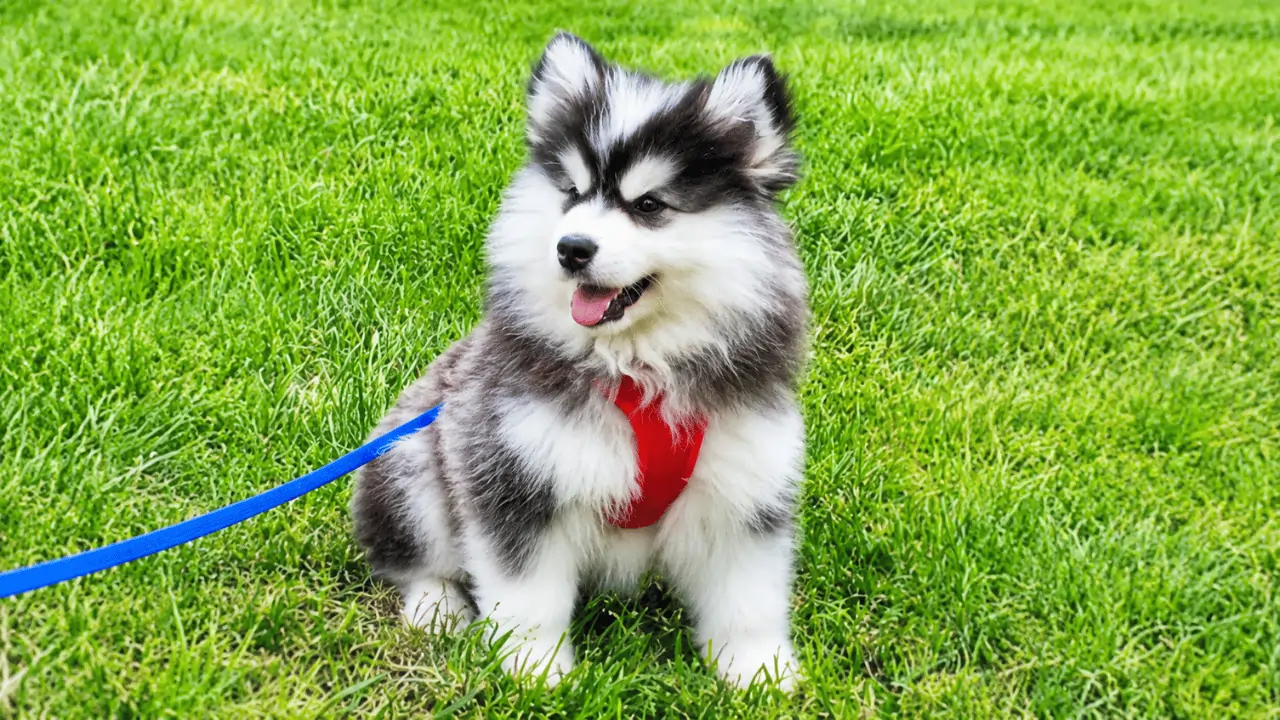
In Swedish, “valp” means puppy, while “lek” refers to play or a game. The plural form “lekar” refers to games or play activities. As a result, valplekar is used in Swedish-language pet content to describe puppy games or playful activities for puppies. Swedish pet resources also use the term when discussing activities, training games, and puzzles designed for young dogs.
The term is therefore much more straightforward than some online descriptions suggest. It does not need to be treated as the name of a mysterious philosophy, special destination, or exclusive training system. Its clearest meaning is connected with puppy play.
What Does Valplekar Mean?
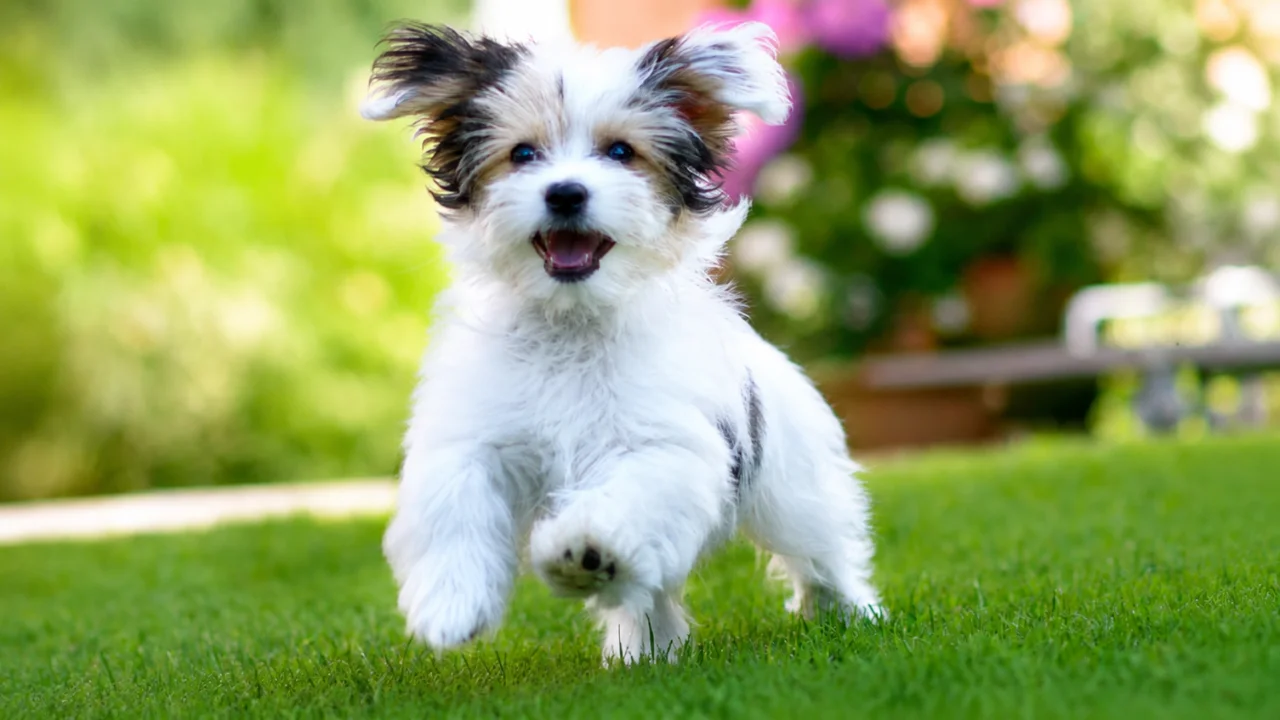
Valplekar can be understood in English as “puppy games” or “puppy play.” The word is associated with activities that allow young dogs to explore, move, interact, and learn through play.
Puppies naturally use play as part of their development. They chase, carry objects, investigate their surroundings, interact with people, and play with other dogs. These activities can provide opportunities for learning while also making everyday life more enjoyable.
Swedish pet content provides a useful clue to the ordinary meaning of the term. Swedish-language material uses valplekar in contexts involving games and activities for puppies, including ideas intended to engage a puppy’s body and mind.
That real-world usage is more useful than treating the word as an invented concept with a complicated definition.
The Swedish Meaning Behind the Word
The easiest way to understand valplekar is to look at its components.
What Does “Valp” Mean?
The Swedish word “valp” means puppy. It refers to a young dog, just as the English word “puppy” does.
What Does “Lekar” Mean?
“Lekar” is related to the Swedish word “lek,” which means play or game. “Lekar” refers to games or play activities.
When these elements are used together, valplekar naturally relates to games and playful activities for puppies.
This simple linguistic explanation is important because some online pages have attempted to give the term meanings that go far beyond its ordinary Swedish usage. There is stronger evidence for the puppy-play interpretation because the word is actually used in Swedish pet-related content in that context.
Valplekar in Swedish Pet Content
One useful indication of the term’s meaning comes from how Swedish pet websites use it. Swedish-language pet material uses valplekar when presenting ideas for entertaining and engaging puppies.
The term can appear alongside subjects such as puppy training, brain games, activities, and general puppy care. This shows that it is not necessarily referring to one specific game. Instead, it can function as a broad description for different kinds of play suitable for puppies.
That distinction is worth remembering. Valplekar is better understood as a category or description of puppy games rather than the name of one particular exercise.
Why Play Matters During Puppyhood
Puppy play is not simply about keeping a young dog busy. Play can support several aspects of normal development.
Young dogs are naturally curious. They learn about their surroundings by investigating objects, sounds, smells, movement, and social interactions. Play gives them opportunities to explore these experiences in an engaging way.
A puppy may learn to follow a moving toy, search for something by scent, interact with an owner, or respond to another dog’s signals. Each experience can provide a different type of stimulation.
For this reason, understanding valplekar also means understanding why appropriate play has an important place in a puppy’s daily routine.
Physical Benefits of Puppy Games
Movement is a natural part of puppy play. Chasing a toy, walking around an obstacle, carrying an object, or moving through a safe play area can encourage coordination and body awareness.
However, puppy play should not be treated as an endurance competition. Young dogs are still developing, and their physical abilities vary according to age, breed, size, health, and individual temperament.
Short and appropriate play sessions are generally more sensible than pushing a puppy to remain active for long periods. Rest is equally important during early development.
The best approach is to allow a puppy to enjoy movement while paying attention to signs of tiredness or overstimulation.
Mental Stimulation Through Play
Not every puppy game needs to involve running. Some of the most useful activities can encourage a puppy to think, investigate, or solve a simple problem.
Scent-Based Games
A puppy can use its sense of smell while searching for a toy or an appropriate treat hidden in an easy-to-find location. Scent-based activities can provide mental engagement without requiring intense physical exercise.
Puzzle Activities
Simple puppy-safe puzzles can encourage curiosity and problem-solving. The difficulty should be appropriate for the dog’s age and experience.
Toy Exploration
Giving a puppy suitable toys with different textures and shapes can encourage exploration. Owners should always supervise puppies with toys and remove anything that becomes damaged or unsafe.
These types of activities fit naturally within the broader idea of valplekar because they combine play with exploration and learning.
Social Learning Through Puppy Play
Play can also give puppies opportunities to learn social communication. When puppies interact appropriately with other dogs, they can encounter different body movements, signals, and responses.
A puppy may learn that another dog wants more space, wants to continue playing, or has become uncomfortable. These experiences can help young dogs develop better social awareness.
Human interaction is also important. Playing with an owner can strengthen familiarity and trust while giving the puppy opportunities to practice responding to simple cues.
Social play should always be appropriate for the individual dogs involved. Supervision is particularly important when puppies interact with unfamiliar animals or dogs that differ greatly in size or temperament.
Valplekar and Puppy Training
Valplekar can overlap with puppy training, but the two terms should not be treated as identical.
Training usually involves teaching a specific behavior or response, while play is broader. A playful activity can be incorporated into training, but that does not automatically turn every game into a formal training method.
For example, an owner may use a favorite toy to encourage a puppy to return after being called. A game can therefore support learning while remaining enjoyable.
This is why it is more accurate to describe valplekar as puppy games or play activities rather than claiming that it is one officially defined training system.
Different Forms of Puppy Play
There is no single correct way for every puppy to play. Different dogs enjoy different activities, and owners should consider the puppy’s age, personality, physical abilities, and surroundings.
Interactive Play
Games involving an owner can encourage engagement and strengthen the relationship between a puppy and its family.
Toy Play
Age-appropriate toys can provide opportunities for carrying, chasing, chewing, and exploration. Toys should be checked regularly for damage.
Search Games
Simple searching activities can encourage a puppy to use its nose and investigate its surroundings.
Gentle Social Play
Interaction with suitable dogs can provide valuable social experiences when the situation is safe and properly supervised.
Outdoor Exploration
Safe exploration can introduce puppies to different surfaces, smells, sounds, and environments. New experiences should be introduced gradually so the puppy does not become overwhelmed.
Creating a Safe Play Environment
A good puppy play area does not need to be complicated. The most important consideration is safety.
Sharp objects, toxic substances, loose electrical cables, small swallowable objects, and other hazards should be kept away from the puppy. Toys should be suitable for the dog’s size and chewing behavior.
Owners should also observe the puppy during play. If a young dog becomes tired, frightened, frustrated, or excessively excited, it may be time to end the activity and allow the puppy to rest.
Good play is about quality, not simply quantity.
Common Misunderstandings About Valplekar
Because valplekar is unfamiliar to many English-speaking readers, it has attracted a variety of explanations online. Some websites describe it as a specialized philosophy, a formal training method, or even a place.
The available Swedish-language usage provides a much clearer direction. Swedish pet content uses valplekar in connection with puppy games and activities. This makes the puppy-play interpretation considerably more grounded than unsupported claims about secret traditions or fictional destinations.
It is also important not to assume that every page ranking for an unusual keyword represents an authoritative source. Repeated claims can spread online even when their original evidence is unclear.
For readers, context is therefore essential.
Is Valplekar a Formal Training Program?
There is no need to describe valplekar as a specific branded or proprietary training program. The term is used more naturally to describe puppy games and activities.
A puppy game may certainly have a training benefit. For example, play can encourage attention, engagement, communication, and learning. However, that does not mean the word itself identifies a particular training curriculum.
Keeping this distinction clear makes the meaning easier to understand and prevents unnecessary claims.
Why Valplekar Is Appearing in English Search Results
Foreign-language words can become search keywords when people encounter them without enough context. A person may see valplekar in a Swedish article, search the word in English, and then find pages attempting to explain it.
As more websites publish content about an unusual keyword, the search results can become increasingly varied. Some pages may accurately explain the original meaning, while others may add speculation or interpretations that were not part of the original usage.
This helps explain why searches for valplekar can produce seemingly different answers. The word itself is not necessarily complicated; the online information surrounding it can be.
How to Understand Valplekar Correctly
The most reliable starting point is its Swedish context. Valplekar relates to puppy games and playful activities for young dogs.
From there, the topic naturally connects with puppy development, mental stimulation, physical activity, social interaction, and early learning. These are all legitimate areas to discuss when explaining the term.
There is no need to add an unsupported mystery or claim that the word represents a secret cultural system. Its ordinary meaning is already useful and interesting.
Final Thoughts
Valplekar is a Swedish term associated with puppy games and playful activities for young dogs. The word combines the Swedish concept of a puppy with the idea of play, making its basic meaning much simpler than some online discussions suggest.
Puppy play can involve toys, gentle interaction, exploration, scent games, puzzles, and suitable social activities. When handled appropriately, these experiences can provide physical movement, mental stimulation, and opportunities for social learning.
The key is to keep the meaning of the term grounded in its actual context. Rather than treating valplekar as a mysterious trend or a formal training system, it is more accurate to understand it as a Swedish expression connected with puppy play.
Frequently Asked Questions About Valplekar
1. What does valplekar mean?
Valplekar is a Swedish term used in connection with puppy games or playful activities for puppies. It relates to the Swedish words “valp,” meaning puppy, and “lek,” meaning play or game.
2. Is valplekar a specific puppy training method?
No specific formal training system should be assumed from the word alone. Valplekar is better understood as a description of puppy games and play activities. Some of those activities can also be used alongside training.
3. What are examples of valplekar?
Examples can include suitable toy games, simple scent searches, gentle interactive games, age-appropriate puzzles, exploration activities, and supervised social play.
4. Why is puppy play important?
Appropriate puppy play can provide physical movement, mental stimulation, exploration, and opportunities to develop social skills. It can also strengthen the relationship between a puppy and its owner.
5. Why do different websites give different meanings for valplekar?
The term is unfamiliar to many English-speaking readers, and online pages sometimes interpret unusual foreign keywords differently. Swedish pet-related usage provides the clearest context, where valplekar is associated with puppy games and play activities.
Read More: Rwu Uar: Meaning, Universities, Programs, and Key Differences