








What Is Pravi Celer?
Pravi celer is a term that can be translated as “true celery” or “real celery.” The phrase is most commonly encountered in South Slavic language contexts, where “pravi” means true, genuine, or real and “celer” means celery. Although the expression may sound like the name of a special vegetable variety, it is important to understand that it is not generally recognized as the scientific name of a separate plant species.
Celery belongs to the botanical species Apium graveolens. Different cultivated forms of this plant have been developed for different characteristics. Some are grown mainly for their crisp stalks, while others are cultivated for their enlarged edible root. This is where confusion can arise when people search for pravi celer and encounter information about both celery stalks and celeriac.
Understanding the terminology makes it easier to identify what a particular source means when it uses the phrase pravi celer.
The Meaning Behind Pravi Celer
The word “pravi” carries the meaning of something true, genuine, or real, while “celer” refers to celery. In a simple sense, pravi celer can therefore be understood as “true celery.”
The phrase should not automatically be treated as the name of a newly discovered vegetable, a special superfood, or a separate botanical species. Online descriptions sometimes give the term different meanings, which can make it difficult for readers to determine exactly what they are looking at.
A reliable explanation is to connect the term with the broader celery plant and then distinguish the different cultivated forms of Apium graveolens. This approach avoids confusion and gives the term a practical meaning for readers interested in food, gardening, or traditional vegetables.
The Botanical Background of Celery
Celery belongs to the Apiaceae plant family, which also includes familiar vegetables and herbs such as carrots, parsley, fennel, and parsnips. Its scientific name is Apium graveolens.
Different Forms of the Same Species
The celery plant has been cultivated into several forms over time. Stalk celery is valued for its long, crunchy stems, while celeriac is grown mainly for its enlarged underground or swollen base.
These forms can look quite different, but they are closely related. Their differences mainly come from cultivation and selection for particular characteristics.
This botanical background is important when discussing pravi celer because it shows why the term can appear alongside information about both ordinary celery and celery root.
Pravi Celer and Celeriac Are Not Automatically the Same
One of the most common sources of confusion is the assumption that pravi celer always means celeriac. That is not necessarily the case.
What Is Stalk Celery?
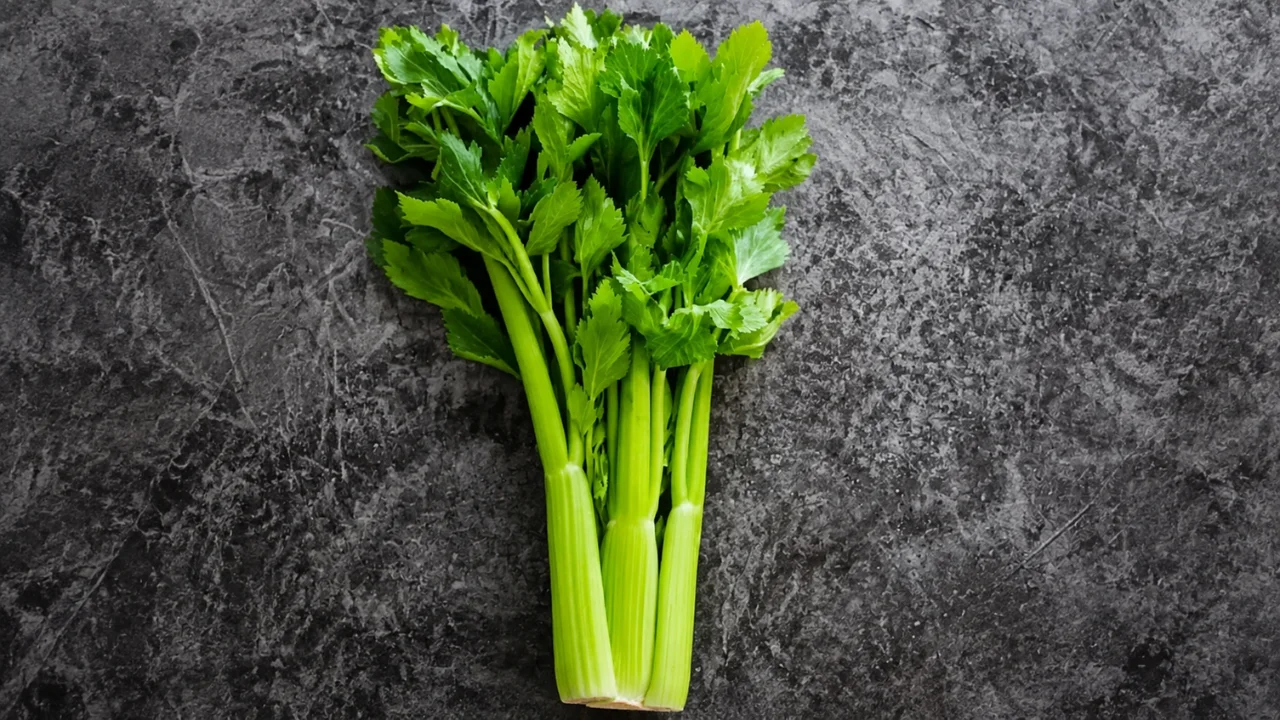
Stalk celery is the familiar green vegetable sold in bunches. Its long stalks have a crisp texture and a mild but distinctive aroma. The stalks are commonly eaten raw or added to cooked dishes.
Celery leaves are also useful. They contain a concentrated celery flavor and can be used to add freshness and aroma to soups, sauces, stocks, salads, and vegetable dishes.
What Is Celeriac?
Celeriac is a cultivated form of celery grown primarily for its enlarged edible base. Unlike the smooth green stalks of common celery, celeriac has a rough, knobbly exterior and a pale interior.
Its flavor is often described as earthy, mild, and celery-like, with a slightly nutty character. It can be prepared in many ways, including boiling, roasting, mashing, and grating.
Therefore, while celery and celeriac belong to the same botanical species, they are cultivated for different parts and culinary characteristics.
How Pravi Celer Is Used in Cooking
Celery has an important role in everyday cooking because it can provide both texture and flavor. It does not need to be the main ingredient to make a noticeable contribution to a dish.
Fresh Celery in Salads
Raw celery adds a satisfying crunch to salads. Thinly sliced stalks can be combined with other vegetables, fruits, nuts, or dressings. Its mild flavor works well with both fresh and savory ingredients.
Celery can also be served raw with dips or used as a crunchy addition to sandwiches and wraps.
Celery in Soups and Stews
Celery is especially useful in soups, stews, broths, and sauces. Chopped stalks can be cooked together with onions and other vegetables to create a flavorful base.
As celery cooks, its texture becomes softer and its aroma blends with the other ingredients. This makes it suitable for dishes where vegetables need to contribute flavor without overpowering the main ingredients.
Using Celery Leaves
Celery leaves are often overlooked, even though they can provide plenty of flavor. They can be chopped and added to soups, salads, sauces, stocks, or finished dishes.
Using the leaves can also make better use of the entire bunch rather than discarding a useful part of the plant.
Nutritional Value of Celery
Celery is a naturally light vegetable containing a high amount of water and relatively few calories. It also provides dietary fiber and smaller amounts of vitamins and minerals.
Its nutritional value makes it a convenient addition to meals, particularly when combined with other vegetables, fruits, legumes, grains, or protein-rich foods.
A Balanced View of Celery Nutrition
It is important to avoid exaggerated claims about any single vegetable. Celery can be a nutritious part of a varied diet, but it should not be presented as a cure for illnesses or as a replacement for medical treatment.
The strongest reason to include celery in meals is its combination of versatility, texture, flavor, and useful nutrients. Eating a wide range of vegetables is generally more meaningful than relying on one ingredient.
Traditional and Everyday Importance
Celery has been used in European cooking for generations. Its distinctive aroma makes it useful in dishes that need a fresh, savory vegetable flavor.
Different cultures have developed their own ways of preparing celery and celery root. Some recipes emphasize the crisp stalks, while others make use of the leaves or root. Celeriac is particularly useful in hearty dishes where a stronger, earthier vegetable flavor is desired.
Interest in pravi celer can therefore be connected with a broader interest in traditional ingredients and less familiar vegetables. People searching for the term may be trying to understand an ingredient mentioned in a regional recipe, gardening discussion, or food-related source.
How to Grow Celery and Celeriac
Celery plants generally need careful attention to moisture, soil quality, and growing conditions. Consistent watering is particularly important because celery performs better when it has adequate moisture throughout its growth.
Celeriac also benefits from fertile soil, sufficient moisture, and a suitable amount of sunlight. Gardeners should prepare the soil well before planting and maintain consistent growing conditions.
Soil and Moisture Requirements
A fertile, moisture-retentive soil can support healthy development. At the same time, the growing area should have adequate drainage so that the roots are not left in standing water.
Regular watering is preferable to allowing the soil to become very dry and then heavily watering it. Gardeners should also consider their local climate when deciding when and how to plant.
Common Growing Problems
Like many garden vegetables, celery and celeriac can be affected by pests and plant diseases. Slugs, snails, leaf-mining insects, and fungal problems can cause damage under suitable conditions.
Good garden hygiene, appropriate spacing, regular observation, and suitable watering practices can help reduce problems. Gardeners should identify a pest or disease before selecting a treatment rather than applying products unnecessarily.
How to Select and Prepare Fresh Celery
When purchasing celery, look for stalks that feel firm and crisp rather than extremely soft or limp. Fresh-looking leaves are also a useful sign of quality.
The stalks should be washed thoroughly before preparation. They can then be sliced, diced, chopped, or left whole depending on the recipe.
Preparing Celeriac
Celeriac requires a different preparation method because its outer surface is rough and uneven. The exterior should be removed carefully before the interior is cut into the desired shape.
Once peeled, celeriac can be cubed for roasting, boiled for mashing, grated for salads, or added to soups and stews. Its earthy flavor makes it particularly suitable for hearty recipes.
Common Misunderstandings About Pravi Celer
There are several misleading ideas that readers may encounter while researching pravi celer.
One is the claim that it represents a completely separate plant with extraordinary properties. The botanical relationship with Apium graveolens does not support treating the phrase as the name of an entirely different species.
Another misunderstanding is that every mention of pravi celer refers specifically to celery root. The expression can be interpreted according to its language and context, so readers should look at the surrounding information before assuming it means celeriac.
A third issue is the use of dramatic health claims. Celery is a useful vegetable, but responsible food writing should separate established nutritional information from unsupported promises.
Why Pravi Celer Is Worth Understanding
The interest surrounding pravi celer reflects how language, food traditions, and botanical terminology can overlap. A simple phrase can lead readers toward information about celery stalks, celery leaves, celery root, gardening, nutrition, and regional cooking.
Rather than treating the term as a mysterious ingredient, it is more useful to understand its connection to celery and the different cultivated forms of the plant.
This also helps readers make better choices when buying vegetables or following recipes. Knowing whether a recipe calls for stalk celery or celeriac can make a significant difference to the final result because the two forms have different textures and culinary uses.
Final Thoughts on Pravi Celer
Pravi celer is best understood as a phrase meaning “true celery” or “real celery,” rather than automatically identifying a separate botanical species. Celery belongs to Apium graveolens, a species that includes cultivated forms developed for different culinary purposes.
Stalk celery is valued for its crisp stems and aromatic leaves, while celeriac is cultivated for its enlarged edible base. Both can be useful in the kitchen, but they should not be treated as interchangeable ingredients in every recipe.
For readers researching pravi celer, understanding this distinction provides a clearer picture of the vegetable, its culinary role, nutritional characteristics, cultivation requirements, and relationship with celeriac.
Frequently Asked Questions About Pravi Celer
1. What does pravi celer mean?
Pravi celer generally means “true celery” or “real celery.” The phrase is associated with South Slavic language usage and is not normally the scientific name of a separate plant species.
2. Is pravi celer a different type of celery?
Not necessarily. The meaning depends on the context in which the phrase is used. It can refer generally to celery, while some discussions may connect it with specific cultivated forms such as celeriac.
3. Is celeriac the same as regular celery?
Celeriac and regular stalk celery are closely related cultivated forms of Apium graveolens. Stalk celery is mainly grown for its stems, while celeriac is grown for its enlarged edible base.
4. What can celery be used for?
Celery can be eaten raw in salads and snacks or cooked in soups, stews, sauces, casseroles, and other dishes. Its leaves can also be used to add flavor to meals.
5. Can celery and celeriac be grown at home?
Yes, both can be grown by home gardeners when suitable soil, moisture, sunlight, and growing conditions are provided. Consistent care is particularly important for healthy development.
Read More: Masgonzola: What It Is, Taste, Texture, Uses, and Gorgonzola Guide