








What Is Masgonzola?
Masgonzola is a relatively uncommon food term associated with a creamy combination of mascarpone and Gorgonzola. A reliable culinary reference from Betty Bossi describes it as an Italian soft cheese made with alternating layers of Gorgonzola and mascarpone. This gives the cheese a distinctive balance between the rich, smooth character of mascarpone and the stronger, tangy flavor of Gorgonzola.
The term is not as widely established as familiar cheese names such as mozzarella, cheddar, or Gorgonzola. Online sources use the word in different ways, which makes careful wording important. Rather than treating every description as an official definition, it is more accurate to understand Masgonzola through its documented culinary use as a mascarpone and Gorgonzola combination.
The Two Cheeses Behind Masgonzola
Mascarpone Brings Richness and Smoothness
Mascarpone is a soft Italian cheese with a rich, creamy texture and mild flavor. Its smooth consistency makes it useful in both sweet and savory cooking. It is especially well known as an ingredient in tiramisu, but it can also be incorporated into sauces, fillings, spreads, and other dishes.
When used alongside a stronger cheese, mascarpone provides a gentle base. Its creamy character can soften the overall taste and make a dish feel richer without introducing a strong salty or sharp flavor.
Gorgonzola Adds Character
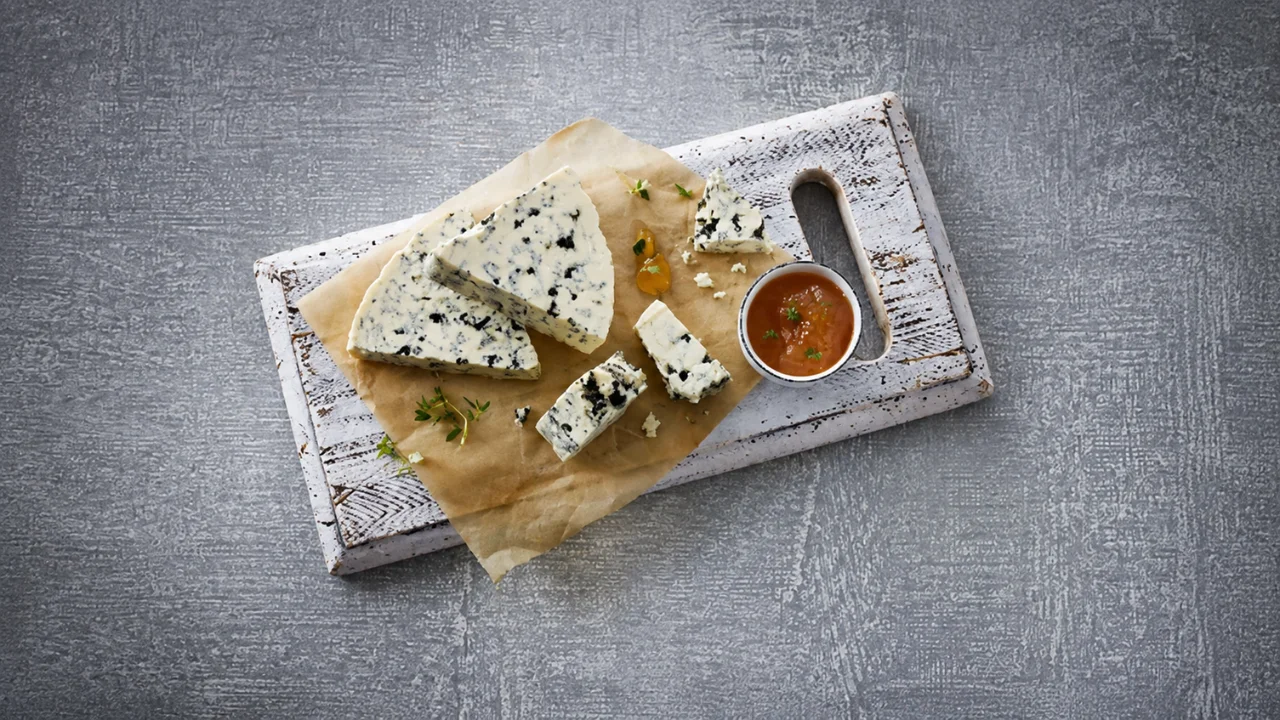
Gorgonzola is an Italian blue cheese recognized for its distinctive blue-green veining and pronounced savory flavor. Depending on the variety, it can range from relatively mild and creamy to considerably stronger and more intense.
That difference is important when considering the character of Masgonzola. Gorgonzola supplies the blue-cheese identity, while mascarpone contributes softness and richness. Together, they create a combination that is quite different from either cheese on its own.
How the Name Masgonzola Makes Sense
The name appears to combine parts of the words mascarpone and Gorgonzola. That makes sense from a culinary perspective because those are the two cheeses associated with the preparation.
However, the name should not be taken as proof of a single traditional recipe. Online descriptions vary, and some sources use the word more loosely as a creative name for a creamy blue-cheese combination. The clearest documented food reference describes alternating layers of Gorgonzola and mascarpone, giving the term a specific culinary meaning.
What Does Masgonzola Taste Like?
The flavor of Masgonzola depends largely on the balance between its two components. Mascarpone has a mild, creamy profile, while Gorgonzola contributes the more recognizable blue-cheese taste.
This creates a combination with several layers of flavor. The first impression can be rich and creamy, followed by the savory and tangy qualities of Gorgonzola. The result can feel smoother and less one-dimensional than eating a strongly flavored blue cheese by itself.
The exact intensity should not be assumed to be identical in every preparation. Different proportions of the two cheeses can change the final taste, texture, and aroma.
What Is the Texture Like?
Texture is one of the most interesting features of this cheese combination. Mascarpone is naturally soft and creamy, while Gorgonzola can have a soft, crumbly, or creamy consistency depending on the variety.
When the cheeses are layered or combined, the result can have a soft and spreadable character. The documented Betty Bossi preparation specifically describes Masgonzola as a creamy Italian soft cheese with alternating Gorgonzola and mascarpone layers.
That texture makes it suitable for recipes where a rich cheese needs to blend easily with other ingredients.
How Masgonzola Is Used in Cooking
Masgonzola can be used in several savory preparations because both of its components work well with a range of foods. Its creamy texture makes it especially useful in dishes where cheese needs to melt, spread, or combine with other ingredients.
Pasta and Ravioli Fillings
Pasta is a natural match for the flavors of Gorgonzola and mascarpone. The cheese can be incorporated into fillings or sauces to add richness and savory depth.
A documented Betty Bossi recipe uses Masgonzola as part of a ham filling for ravioli crowns, demonstrating that the ingredient can be used directly inside filled pasta. The recipe combines the cheese with finely chopped ham before filling the pasta.
This is a useful example because it shows that Masgonzola is not limited to being served as a simple cheese spread.
Creamy Pasta Sauces
The soft texture of Masgonzola also makes it suitable for creamy pasta sauces. It can be combined with pasta and complementary ingredients such as mushrooms, vegetables, herbs, or nuts.
The strong character of Gorgonzola means that the cheese does not necessarily need to be used in large quantities. A balanced amount can provide flavor while allowing the other ingredients to remain noticeable.
Pizza and Flatbreads
Masgonzola can also work with pizza and flatbread-style dishes. The creamy cheese can provide richness, while the Gorgonzola component adds a more distinctive savory note.
Sweet ingredients can provide an appealing contrast. Pears and apples are particularly natural companions for blue-cheese flavors, while walnuts can add a pleasant crunchy texture.
Appetizers and Spreads
A soft cheese combination can be served with bread, crackers, vegetables, fruit, or nuts. This makes it useful for simple appetizers where the cheese is one of the main ingredients.
The contrast between creamy cheese and crisp foods can make the serving more interesting. Fresh fruit can also introduce sweetness that balances the savory side of Gorgonzola.
Foods That Pair Well With Masgonzola
The best pairings usually provide contrast rather than adding more richness to an already rich cheese.
Fruit
Pears, apples, grapes, and other mildly sweet fruits can complement blue-cheese flavors. Their freshness and sweetness can balance the savory character of the cheese.
Nuts
Walnuts are a particularly natural pairing for Gorgonzola-style flavors. Almonds and hazelnuts can also provide useful texture and earthy notes.
Vegetables
Mushrooms, leafy greens, roasted vegetables, and caramelized onions can work well with creamy blue-cheese combinations. Their savory or earthy qualities complement the cheese without competing with it.
Bread and Crackers
Crusty bread and crisp crackers provide a straightforward textural contrast. They also give the soft cheese a practical base for serving.
Masgonzola Compared With Gorgonzola
Masgonzola and Gorgonzola are not the same thing.
Gorgonzola is an established Italian blue cheese with its own identity and traditional production standards. Masgonzola, in the culinary context supported by the available reference, involves Gorgonzola combined with mascarpone. The addition of mascarpone changes the texture and balance of the final preparation.
Gorgonzola therefore represents the individual blue cheese, while Masgonzola describes a preparation or combination built around Gorgonzola and mascarpone.
This distinction is important because some online pages describe Masgonzola as though it were a universally standardized cheese. The available evidence does not support making that broad claim.
Is Masgonzola a Traditional Italian Cheese?
The safest answer is that the term does not have the same level of established identity as Gorgonzola itself.
There is clear culinary evidence for Masgonzola as a creamy Italian soft-cheese preparation involving Gorgonzola and mascarpone. However, online sources also use the name in inconsistent ways, and there is no strong basis for presenting it as a universally standardized protected cheese category.
For that reason, it is more accurate to describe Masgonzola as a cheese combination or culinary preparation rather than suggesting that every product carrying the name follows one official recipe.
Why the Combination Works
The appeal of Masgonzola comes from contrast. Mascarpone is soft, rich, and mild, whereas Gorgonzola supplies a stronger savory and tangy character.
Neither component has to completely overpower the other. The creamy element provides body and smoothness, while the blue cheese adds depth.
This balance explains why the combination can be useful in both everyday cooking and more elaborate dishes. It gives cooks a way to combine a mild creamy texture with the more distinctive character of blue cheese.
Tips for Using Masgonzola in Recipes
When working with Masgonzola, consider the intensity of the other ingredients before adding additional salt or strongly flavored cheeses. Gorgonzola already brings a noticeable savory character, so tasting the dish as you cook is useful.
For pasta and sauces, gentle heating can help incorporate the cheese smoothly. For spreads and appetizers, allowing the cheese to soften before serving can make it easier to spread.
Pairing the cheese with fresh, sweet, crunchy, or acidic ingredients can also prevent the finished dish from feeling too rich.
The Culinary Appeal of Masgonzola
Masgonzola stands out because it brings together two very different Italian cheese characteristics. Mascarpone contributes creaminess and richness, while Gorgonzola supplies the recognizable blue-cheese flavor.
Its documented use in filled pasta demonstrates how practical the combination can be in cooking, while its soft texture also lends itself to spreads, sauces, pizza, and other savory dishes.
At the same time, the unusual status of the name means it is worth avoiding exaggerated claims about its history or official classification. The most dependable way to discuss Masgonzola is to focus on what can actually be supported: a creamy cheese preparation associated with mascarpone and Gorgonzola.
Frequently Asked Questions About Masgonzola
1. What is Masgonzola made from?
Masgonzola is associated with mascarpone and Gorgonzola. A documented culinary reference describes it as a creamy Italian soft cheese consisting of alternating layers of Gorgonzola and mascarpone.
2. What does Masgonzola taste like?
It generally combines the mild, rich creaminess of mascarpone with the savory and tangy character of Gorgonzola. The exact flavor depends on the proportions and type of Gorgonzola used.
3. How can Masgonzola be used?
It can be used in pasta dishes, filled pasta, sauces, spreads, pizza, appetizers, and other savory preparations. A Betty Bossi recipe specifically uses it in a ham-filled ravioli preparation.
4. Is Masgonzola the same as Gorgonzola?
No. Gorgonzola is an established Italian blue cheese, while Masgonzola refers to a preparation associated with combining Gorgonzola and mascarpone.
5. Is Masgonzola an officially standardized cheese?
It is better not to describe it as a universally standardized cheese. The available culinary evidence supports its use as a creamy combination of Gorgonzola and mascarpone, while online descriptions of the term vary.
Read More: Koriandri: Understanding Its Leaves, Seeds, Flavor, and Culinary Uses