








Introduction
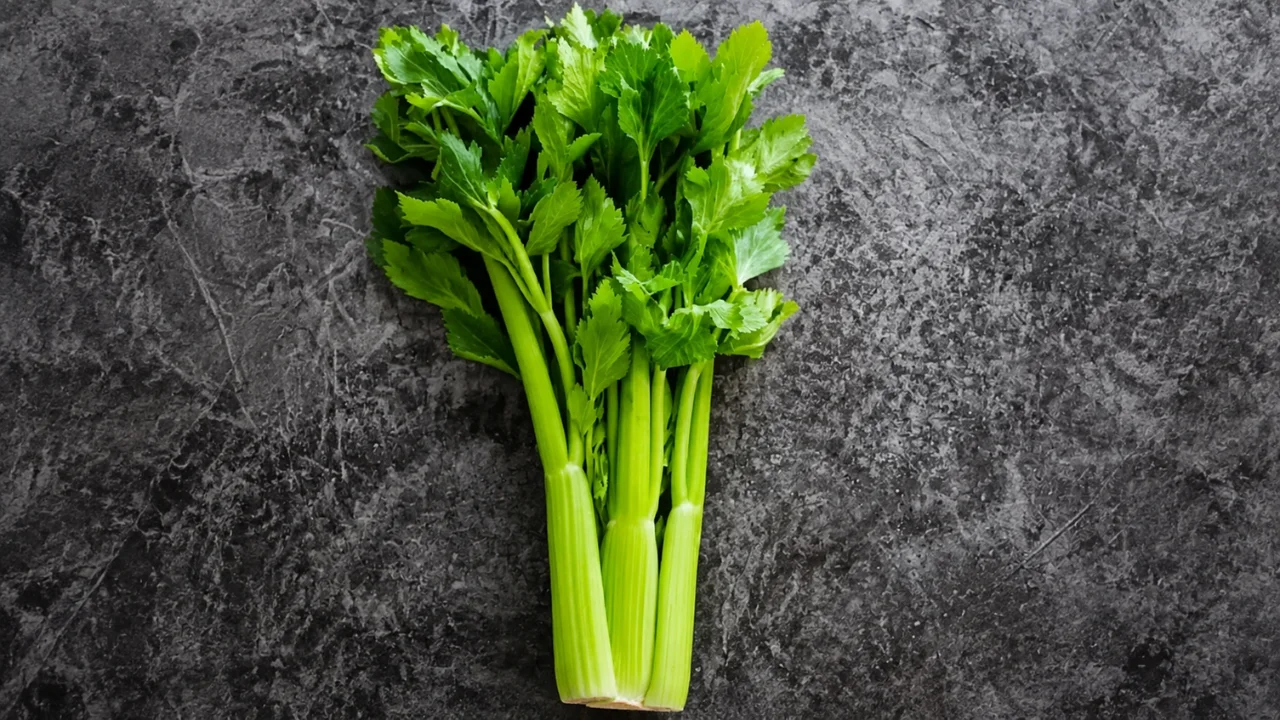
Koriandri is a term associated with coriander, a well-known aromatic plant used in kitchens around the world. Scientifically known as Coriandrum sativum, coriander belongs to the same plant family as parsley, carrots, celery, and fennel. It is valued for its fresh green leaves, flavorful seeds, and, in some culinary traditions, its roots.
The plant has a special place in cooking because different parts offer completely different flavors. Fresh leaves bring a bright, green, citrus-like taste to meals, while dried coriander seeds provide a warmer, earthy, slightly sweet flavor. This versatility has made coriander an important ingredient in many traditional and modern recipes.
Another interesting feature of koriandri is that people can experience its flavor differently. Many people enjoy the fresh leaves for their refreshing aroma, while others find them unpleasant or even describe their flavor as similar to soap. Genetics can play a role in this difference, particularly in the way certain aroma compounds are detected.
What Is Koriandri?
Koriandri refers to the coriander plant, an annual herb that produces delicate leaves, small flowers, and round fruits commonly known as coriander seeds once they mature and dry.
Coriander has been cultivated for a very long time and has become an important ingredient in numerous food cultures. Its popularity comes largely from its ability to work as both an herb and a spice.
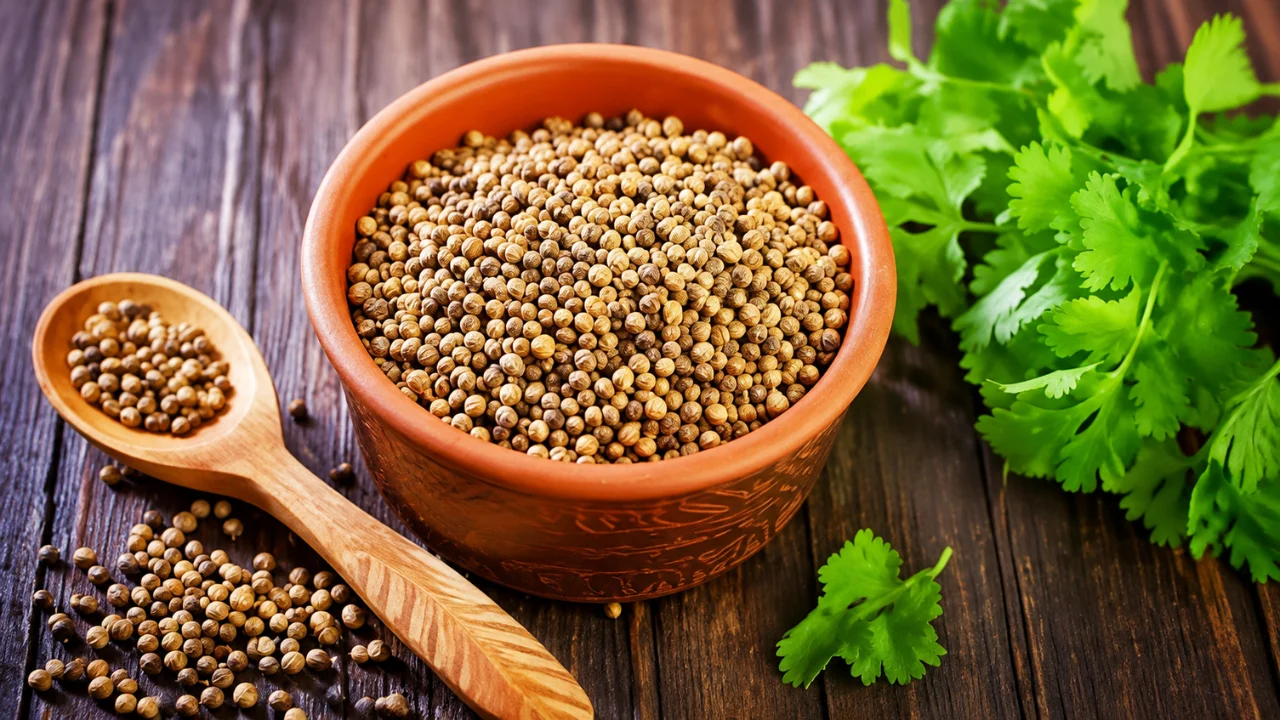
Fresh coriander leaves are usually added to dishes for their strong aroma and fresh taste. Coriander seeds are commonly dried and used whole or ground. The roots are less widely known but are also used in certain cuisines, particularly in Southeast Asia.
Although the names can vary between countries, the plant itself remains the same.
Koriandri Leaves and Coriander Seeds
The leaves and seeds come from the same plant, but they should be treated as different ingredients in cooking.
Fresh Coriander Leaves
Fresh leaves are soft, green, and highly aromatic. They are often chopped and added toward the end of cooking or placed on top of a finished dish.
Their fresh character works especially well with foods containing chili, garlic, ginger, lime, lemon, tomatoes, onions, and other strong ingredients. They can add brightness to dishes that might otherwise taste heavy.
Fresh leaves are commonly used in:
- Curries
- Chutneys
- Salads
- Soups
- Rice dishes
- Sauces
- Salsas
- Noodle dishes
- Marinades
- Vegetable dishes
Coriander Seeds
Coriander seeds have a warmer and more concentrated flavor. They can be used whole, crushed, toasted, or ground into a powder.
The seeds are particularly popular in spice blends and cooked dishes. Lightly toasting them before grinding can enhance their aroma and give them a deeper flavor.
Ground coriander is commonly combined with spices such as cumin, turmeric, chili, black pepper, cardamom, and ginger.
What Does Koriandri Taste Like?
The taste of fresh coriander is difficult to describe with one word because people experience it differently. For many people, the leaves have a fresh, herbal, citrusy, and slightly peppery character.
The aroma becomes more noticeable when the leaves are chopped. This makes fresh coriander especially useful as a finishing ingredient because even a small amount can change the overall character of a dish.
Coriander seeds have a different taste. They tend to be warmer, earthy, mildly sweet, citrus-like, and slightly nutty. Their flavor becomes more noticeable when the seeds are toasted or freshly ground.
The difference between the leaves and seeds explains why someone may dislike fresh coriander but still enjoy dishes containing ground coriander seed.
Why Does Koriandri Taste Like Soap to Some People?
The soapy flavor associated with coriander leaves is one of the most unusual things about this herb.
Some people notice a pleasant citrus and herbal flavor, while others experience the same leaves as soapy or unpleasant. Research has found an association between this perception and genetic differences involving smell receptors.
Certain compounds naturally present in coriander leaves are related to aldehydes. People with particular genetic variations may detect these compounds more strongly or interpret their aroma differently.
Genetics is not the only factor involved in food preferences. Familiarity, culture, previous experiences, and individual taste can also influence whether someone enjoys coriander.
This is why two people can eat the same dish and have completely different reactions to its flavor.
Culinary Uses of Koriandri Around the World
Coriander has become a familiar ingredient in many cuisines because it can complement both mild and strongly seasoned foods.
South Asian Cooking
In South Asian cuisine, coriander leaves are frequently used as a finishing herb for curries, lentils, rice dishes, chutneys, and vegetable preparations.
Coriander seeds and ground coriander are also important ingredients in many spice mixtures. They can provide depth without overpowering the other spices in a dish.
Mexican and Latin American Cooking
Fresh coriander leaves are widely used in many Mexican and Latin American preparations. They can be combined with tomatoes, onions, chili peppers, citrus, beans, meat, and vegetables.
Fresh leaves are particularly useful in salsas, sauces, tacos, soups, and rice dishes.
Southeast Asian Cuisine
Coriander is also used in Southeast Asian cooking. The leaves can appear in soups, salads, sauces, curry preparations, and fresh herb combinations.
In some cuisines, coriander roots are valued as well. They can be crushed or blended with other aromatic ingredients to create flavorful pastes and marinades.
Middle Eastern and Mediterranean Food
Coriander seeds are used in various spice mixtures and cooked preparations across parts of the Middle East and Mediterranean region. Their warm citrus-like flavor works well with roasted vegetables, meats, legumes, and other spices.
Nutritional Value of Fresh Coriander
Fresh coriander leaves contain a high amount of water and provide relatively few calories. They also contain several vitamins, minerals, and naturally occurring plant compounds.
Among the nutrients associated with fresh coriander are vitamin K, vitamin C, provitamin A, folate, potassium, and manganese. The leaves also contain antioxidant compounds.
However, coriander is normally consumed in relatively small quantities. It is therefore better viewed as a flavorful and nutritious addition to a varied diet rather than as a major source of any single nutrient.
Coriander seeds have a different nutritional profile because they are dried and more concentrated. They contain dietary fiber and minerals such as iron, magnesium, calcium, and manganese.
Potential Benefits of Adding Coriander to Meals
Coriander contains naturally occurring plant compounds that have attracted scientific interest. Research has explored antioxidant properties and other possible biological effects associated with coriander.
One practical benefit is its ability to add strong flavor to meals without contributing many calories. Fresh leaves can make vegetables, grains, legumes, soups, and salads more appealing.
Coriander seeds can also add flavor and aroma to food without requiring large quantities. Using herbs and spices can be a simple way to make everyday meals more varied.
It is important to distinguish between nutritional properties and medical claims. Coriander can be part of a balanced diet, but it should not be considered a replacement for professional medical treatment.
Traditional Uses of Coriander
Coriander has a long history of traditional use. Different cultures have used its leaves, seeds, and other plant parts for culinary and traditional purposes.
Historically, coriander has been associated with digestive preparations and various traditional remedies. Modern scientific research continues to examine the plant’s naturally occurring compounds and possible biological effects.
Traditional use and scientific evidence are not the same thing, however. A traditional practice does not automatically establish that a particular health effect has been medically proven.
How to Choose Fresh Coriander
When buying fresh coriander, look for leaves that appear green, crisp, and healthy. Avoid bunches with large amounts of yellowing, slimy, or badly damaged leaves.
Freshness is important because coriander leaves are delicate and can lose their quality relatively quickly.
The stems should also appear reasonably firm rather than excessively wilted. Once purchased, the leaves should be handled gently and stored appropriately until they are ready to use.
How to Store Koriandri Properly
Fresh coriander should be protected from excessive moisture and kept refrigerated when appropriate. Damaged leaves should be removed because they can affect the quality of the remaining bunch.
Before eating, fresh leaves should be washed thoroughly under clean running water.
Coriander seeds are easier to store than fresh leaves. Whole seeds generally maintain their flavor longer than ground coriander because they have less surface area exposed to air.
For the best quality, whole seeds should be stored in a tightly sealed container away from heat, moisture, and direct sunlight.
Whole Seeds or Ground Coriander?
Both forms have their place in cooking.
Whole coriander seeds are useful when a recipe calls for a slower release of flavor or when the seeds will be toasted before use. They can also be added directly to certain dishes.
Ground coriander is convenient and blends easily into sauces, marinades, spice mixes, soups, and curries.
For maximum aroma, whole seeds can be ground shortly before cooking. Freshly ground spice generally has a more noticeable fragrance than ground coriander that has been stored for a long period.
Growing Koriandri at Home
Coriander can be grown in a home garden or suitable container. People often grow it specifically for fresh leaves, although mature plants can also produce seeds.
The plant generally performs best when it receives suitable sunlight, has well-drained soil, and receives consistent watering without the soil remaining excessively wet.
Gardeners who want a regular supply of fresh leaves can plant new seeds at intervals rather than relying on a single planting.
Allowing some plants to mature provides another advantage. Once the plant produces mature seeds, they can be collected and used as a cooking spice.
Koriandri in Everyday Meals
There are many easy ways to include coriander in everyday cooking.
Fresh leaves can be chopped over rice, soups, salads, grilled vegetables, beans, noodles, curries, and homemade sauces. They can also be mixed into chutneys and fresh salsas.
Ground coriander can be incorporated into spice blends, marinades, soups, stews, roasted vegetables, and meat dishes.
The timing of adding coriander can affect the final flavor. Fresh leaves are often added near the end of cooking to preserve their fresh character, while ground coriander can be added earlier so its flavor has time to blend with other ingredients.
Why Koriandri Remains So Popular
The popularity of coriander comes from its remarkable versatility. One plant provides several useful ingredients, each with its own characteristics.
Fresh leaves can brighten a dish, seeds can provide warmth and depth, and roots can add concentrated flavor in particular cuisines.
Coriander also crosses cultural boundaries. It appears in recipes from South Asia, Southeast Asia, Latin America, the Middle East, and many other regions.
Its unusual flavor profile adds another reason for its popularity. Few common herbs generate such different reactions among people, making coriander both a culinary staple and an interesting subject of food science.
Final Thoughts
Koriandri, associated with the coriander plant, has earned an important place in kitchens around the world because of its flexible uses and distinctive flavor. Its fresh leaves provide a bright herbal character, while its seeds offer a warmer and more complex spice profile.
The plant also has nutritional value and a long history of culinary and traditional use. Whether it is added to a fresh chutney, sprinkled over a curry, ground into a spice mixture, or grown in a home garden, coriander can make a noticeable contribution to food.
The unusual difference in how people perceive its flavor makes it even more fascinating. Some people enjoy its fresh citrus-like character, while others experience a strong soapy taste. Regardless of personal preference, coriander remains one of the most recognizable and widely used herbs and spices in the world.
Frequently Asked Questions
1. What is koriandri?
Koriandri refers to coriander, an aromatic plant scientifically known as Coriandrum sativum. Its fresh leaves, dried seeds, and in some cuisines its roots are used for cooking.
2. Is koriandri the same as cilantro?
Cilantro and coriander come from the same plant. In many regions, cilantro refers to the fresh leaves, while coriander refers to the dried seeds. Naming conventions can vary depending on the country.
3. Why do some people think koriandri tastes like soap?
Some people have genetic differences that can affect how they detect particular aroma compounds found in fresh coriander leaves. This can make the leaves taste or smell soapy to them, while other people experience a fresh, citrus-like flavor.
4. How can koriandri be used in cooking?
Fresh coriander leaves can be used in salads, curries, chutneys, soups, sauces, rice dishes, salsas, and noodle dishes. Coriander seeds can be toasted, crushed, or ground and added to spice blends, marinades, curries, and other cooked foods.
5. Does koriandri have nutritional value?
Yes. Fresh coriander leaves contain vitamins, minerals, and naturally occurring plant compounds while being low in calories. Coriander seeds have a different nutritional profile and provide dietary fiber and several minerals.
Read More: Wifekivers: Understanding Its Meaning, Origins and Online Use