









Introduction
The word cellulogia has been appearing more often in online beauty, skincare, and wellness discussions. It sounds like the name of a medical discipline or a specific treatment, but the reality is less straightforward. Online sources use the term in different ways, usually around cellulite, skin texture, body care, massage, topical products, lifestyle habits, and cosmetic treatments.
That distinction matters because cellulite itself is a well-understood cosmetic skin concern, while cellulogia is not a standardized medical diagnosis or recognized dermatological specialty. The methods associated with the term need to be judged individually rather than assuming that the name itself proves a treatment works.
What Is Cellulogia?
Cellulogia is primarily used online as a beauty and wellness term connected with improving the appearance of cellulite and uneven skin texture. Some websites describe it as a broad approach that combines skincare, massage, exercise, nutrition, and non-invasive cosmetic methods. Other sources use the word to describe a particular product, routine, or branded treatment.
There is no single official definition that applies to every use of the word. In practical terms, it is more useful to think of cellulogia as an umbrella term used in online beauty discussions than as one established medical procedure.
The distinction also helps explain why information about cellulogia can look inconsistent. One source may discuss creams and massage, while another may focus on professional procedures or lifestyle changes. The actual method matters more than the label.
Why Cellulogia Is Associated With Cellulite
Cellulite is the main subject behind many online discussions involving cellulogia. It produces a dimpled or uneven appearance, most often on the thighs, hips, buttocks, and abdomen. It is extremely common and is considered harmless. The American Academy of Dermatology notes that even people who are very fit can have cellulite.
Cellulite develops partly because of the relationship between fat beneath the skin and fibrous connective tissue. Fat cells push upward toward the skin while connective bands pull the skin downward. That opposing pressure creates the familiar dimples and uneven texture. Hormones, genetics, skin structure, age, weight, and muscle tone can all influence how visible cellulite becomes.
This is why cellulite should not simply be treated as a problem caused by being overweight. A person can have a healthy body weight and still have visible cellulite.
What Causes Cellulite to Look More Noticeable?
Genetics and Skin Structure
Genetics can influence how fat is distributed, how the connective tissue is arranged, and how thick or elastic the skin is. These characteristics can make cellulite more or less noticeable from one person to another.
This also explains why two people with similar body shapes can have very different levels of visible dimpling.
Hormonal Changes
Hormones are another factor associated with cellulite. Cellulite is much more common in women, and many women develop it after puberty. Hormonal influences can affect fat distribution, connective tissue, and skin characteristics.
Aging and Skin Elasticity
As people age, the skin can become thinner and lose some of its elasticity. When that happens, irregularities underneath the skin may become easier to see.
Weight and Muscle Tone
Weight gain can make cellulite more visible in some people, but losing weight does not guarantee that it will disappear. Building muscle can make the skin appear firmer and smoother, which may reduce the visible appearance of cellulite.
How Skincare Fits Into Cellulogia
Skincare is one of the simplest approaches commonly associated with cellulogia. Firming creams, lotions, oils, and exfoliating products are often marketed toward people who want smoother-looking skin.
Some topical ingredients have more evidence behind them than others. The American Academy of Dermatology reports that products containing caffeine may temporarily make cellulite less noticeable, while a product containing 0.3% retinol may improve its appearance by helping thicken the skin. Retinol generally requires consistent use for months before noticeable changes may appear.
That does not mean a cream permanently removes cellulite. The realistic goal is an improvement in the appearance and texture of the skin.
Anyone trying a new topical product should also pay attention to irritation or allergic reactions. Testing a product on a small area first can help identify a reaction before applying it more widely.
Can Exercise Improve Cellulite?
Exercise can be a useful part of a cellulite-focused routine, especially when it includes strength training.
Building muscle can change the shape and firmness of the area underneath the skin. Activities such as walking, cycling, swimming, stair climbing, Pilates, and strength exercises can support overall fitness and muscle tone. Mayo Clinic notes that physical activity that tones muscles may improve the appearance of dimpled skin.
Exercise should not be marketed as a guaranteed cure. Cellulite is influenced by factors that exercise cannot completely change, including genetics and connective tissue structure.
The better approach is to treat exercise as part of overall body composition and skin-care habits rather than promising that a particular workout will erase every dimple.
The Role of Massage and Lymphatic Techniques
Massage is another method frequently connected with cellulogia. The idea is that manipulating the skin and underlying tissue may temporarily improve its appearance.
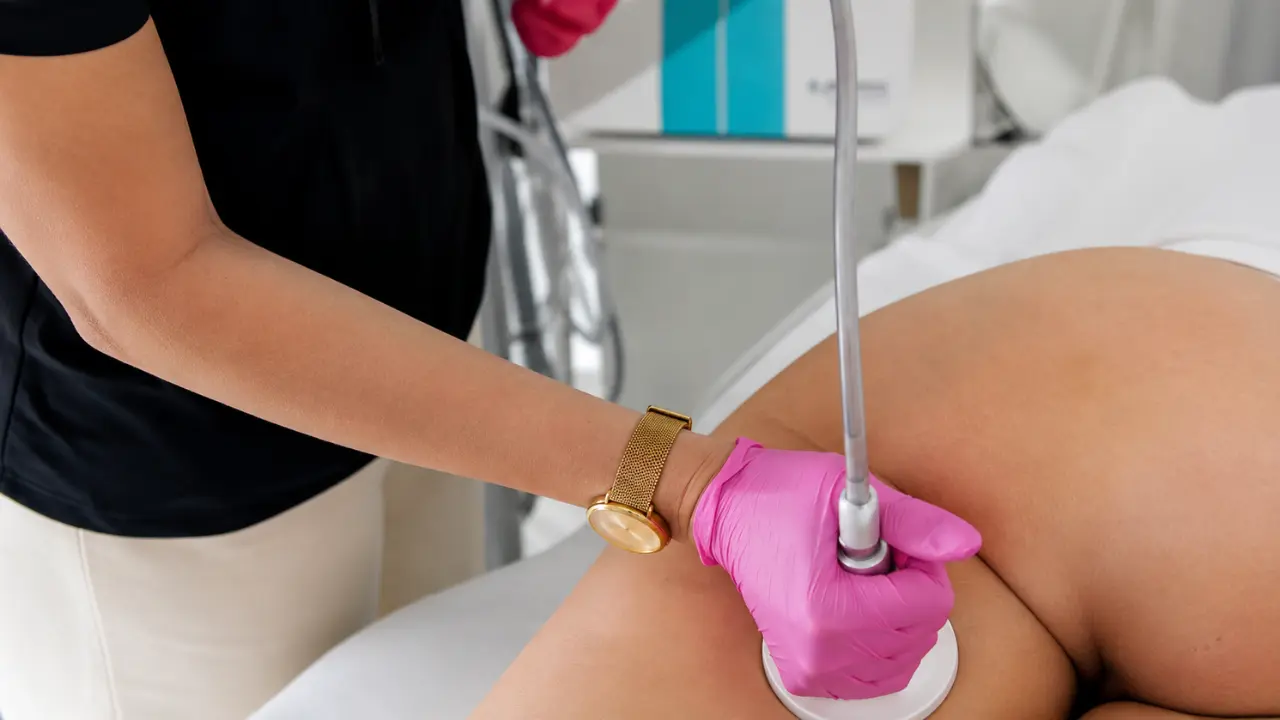
Some professional treatments use mechanical massage combined with suction or rollers. Mayo Clinic notes that massage-based cellulite treatments can produce slight improvements, but these effects may be short-lived.
This is an important difference between temporary cosmetic improvement and a lasting structural change. A smoother appearance immediately after a massage does not necessarily mean that the underlying cellulite has been permanently changed.
Professional Treatments That Have Evidence
For people looking for more noticeable cosmetic improvement, professional treatments are available. Their effectiveness varies, and some require multiple sessions.
Acoustic Wave Therapy
Acoustic wave therapy uses sound waves delivered through a handheld device. Research cited by the American Academy of Dermatology indicates that several sessions can reduce the appearance of cellulite in some people.
Laser Treatments
Some laser procedures target the fibrous bands beneath the skin and can also affect skin thickness. Certain treatments have produced improvements lasting months or longer, although results differ and additional research continues to be needed.
Subcision
Subcision is a procedure in which a medical professional uses a device or needle beneath the skin to release the fibrous bands contributing to cellulite dimpling. Certain subcision treatments have shown longer-lasting improvements than many surface-level approaches.
Radiofrequency Treatments
Radiofrequency devices use controlled heat to affect tissue and improve the appearance of the skin. Some studies show modest improvement, but multiple sessions may be needed and results can be temporary.
What Cellulogia Cannot Guarantee
The biggest mistake in discussions about cellulogia is treating the term as proof that a particular method will produce permanent results.
No single approach should be expected to work equally well for everyone. Some treatments can make cellulite less visible, but that is different from permanently eliminating it.
The American Academy of Dermatology specifically distinguishes cellulite from ordinary body fat. A procedure that removes fat may have little or no effect on cellulite, and in some cases removing fat can make dimpling more noticeable.
Supplements are another area where caution is needed. Despite claims surrounding ingredients such as caffeine, grape seed extract, or ginkgo biloba, the American Academy of Dermatology reports that there is no evidence that supplements reduce cellulite.
How to Approach Cellulogia Without Falling for Hype
A sensible approach starts with the actual method rather than the name.
If a skincare product is being promoted, check its ingredients and understand what those ingredients can realistically do. If a treatment involves a device or procedure, find out who performs it, what evidence supports it, how many sessions are normally required, and what side effects can occur.
Professional procedures should be discussed with an appropriately qualified dermatologist or other qualified medical professional. Mayo Clinic notes that cellulite treatments can have different risks and results, and choosing an experienced practitioner matters.
Most importantly, cellulite is not a sign that something is wrong with your health. Treatment is optional and usually pursued because someone wants to change the appearance of their skin.
Is Cellulogia a Medical Treatment?
Cellulogia itself should not be confused with an established medical treatment. The word is being used online in beauty and wellness contexts, but there is no single standardized procedure that every practitioner means when using the term.
That means claims should be assessed on the treatment behind them. If one website uses cellulogia to describe massage and another uses it to describe a professional device, those two approaches should not be treated as the same thing.
This also makes the term worth researching carefully. A scientific-sounding name does not automatically mean that the underlying method has been clinically proven.
What a Realistic Cellulite Routine Looks Like
A practical routine does not need to be complicated.
Regular movement and strength training can support muscle tone. A consistent skincare routine can help maintain healthy-looking skin. If a topical product contains an ingredient with evidence for improving cellulite appearance, it may be worth considering with realistic expectations.
For people who want stronger results, a consultation with a qualified professional can help identify treatments that match their skin, goals, budget, and tolerance for downtime.
The objective should be gradual improvement rather than an unrealistic promise of perfectly smooth skin.
Final Takeaway
Cellulogia is best understood as a modern online term associated with cellulite care, skincare, wellness routines, and cosmetic approaches to improving skin texture. It is not one standardized medical treatment, and its meaning can change depending on the source using the word.
The science behind cellulite is much clearer. Cellulite is a common and harmless condition influenced by connective tissue, fat distribution, genetics, hormones, age, skin characteristics, weight, and muscle tone.
Some approaches can make cellulite less noticeable. Exercise may improve muscle tone, certain topical ingredients can provide modest cosmetic changes, massage may offer temporary improvement, and professional procedures such as acoustic wave therapy, selected laser treatments, and subcision have evidence supporting their use in appropriate cases.
The key is to judge the actual method rather than the name. That makes it much easier to separate realistic skincare and treatment options from exaggerated promises.
Frequently Asked Questions
1. What is cellulogia?
Cellulogia is an online beauty and wellness term commonly associated with cellulite, skin texture, skincare routines, massage, lifestyle habits, and cosmetic treatments. It does not refer to one standardized medical procedure.
2. Is cellulogia the same as cellulite?
No. Cellulite is a common skin condition that creates a dimpled appearance. Cellulogia is a term used online for approaches or discussions related to managing the appearance of cellulite.
3. Can cellulogia permanently remove cellulite?
There is no basis for treating cellulogia as a guaranteed permanent cure. The effectiveness depends on the specific method being used, and many cellulite treatments provide improvement rather than complete or permanent removal.
4. Can exercise reduce the appearance of cellulite?
Exercise can help make cellulite less noticeable by improving muscle tone and overall body composition. However, it cannot guarantee complete removal because genetics, connective tissue, hormones, and skin structure also affect cellulite.
5. What cellulite treatments have the strongest evidence?
Research supports certain professional approaches, including acoustic wave therapy, some laser treatments, subcision, and vacuum-assisted tissue release. Results vary, and treatment should be selected with guidance from a qualified professional.
Read More: Albfilm24: Albanian Movies, Online Entertainment and What Viewers Should Know