









Introduction
Chameleons are among the most remarkable reptiles found in nature. Known for their changing colors, unusual eyes, and highly specialized hunting abilities, these reptiles have developed extraordinary features that help them survive in different environments. The term chameleónovité refers to the family of chameleons, scientifically known as Chamaeleonidae, which includes many species with unique physical characteristics and behaviors.
These reptiles are not only famous for their appearance but also for their advanced adaptations that allow them to live successfully in forests, grasslands, and other natural habitats. Their slow movements, powerful grip, and incredible vision make them one of the most interesting reptile groups in the world.
What Are Chameleónovité?
Chameleónovité are a family of lizards belonging to the reptile group. They are recognized by their specialized body structure, which allows them to move through trees and plants with excellent balance and control.
Unlike many other reptiles, chameleons have several unique features that separate them from ordinary lizards. Their independently moving eyes, long projectile tongue, curled tail, and specially adapted feet help them hunt and protect themselves from predators.
The chameleon family contains many different species, and each one has developed characteristics based on its natural surroundings. Some species are very small and difficult to notice, while others are larger and display bright patterns of colors.
Natural Habitat and Distribution of Chameleons
Where Do Chameleons Live?
Chameleons are mainly found in warm regions of the world. The highest number of species exists in Africa and Madagascar, where they live in tropical forests, bushes, and woodland areas.
Some species can also be found in parts of Asia, the Middle East, and southern Europe. Their habitats vary depending on the species, but most chameleons prefer areas with vegetation where they can climb, hide, and search for food.
How Their Environment Shapes Their Lifestyle
The environment plays an important role in the behavior and appearance of chameleons. Tree-dwelling species have strong gripping abilities that allow them to move safely across branches, while species living closer to the ground have different adaptations suited to their surroundings.
Their natural habitats provide protection and food sources, allowing them to survive without needing to move quickly. Instead of chasing prey, they rely on patience and precision.
Why Do Chameleons Change Color?
The Science Behind Color Changes
One of the most famous abilities of chameleónovité is their ability to change skin color. Many people believe that chameleons change colors only to match their background, but this is not the main reason.
Color changes happen because of special skin cells that control how light reflects from their bodies. These cells allow chameleons to display different shades and patterns.
Communication and Temperature Control
Chameleons use color changes for communication with other chameleons. Males may display stronger colors when competing with other males or attracting females.
Color changes also help them control body temperature. Darker colors can help absorb more heat, while lighter colors may reflect sunlight and help them stay cooler.
Their changing colors are a complex survival tool connected to their emotions, environment, and social behavior.
Incredible Vision of Chameleons
Eyes That Move Independently
The eyes of chameleons are one of their most impressive features. Each eye can move separately, allowing them to observe different directions at the same time.
This ability gives them a wide field of vision and helps them detect insects and possible threats without moving their entire body.
Accurate Distance Detection
When a chameleon finds prey, both eyes focus on the same target. This allows the reptile to judge distance accurately before launching its attack.
This unique vision system makes chameleons highly effective hunters despite their slow movements.
The Powerful Hunting Method of Chameleons
A Fast and Specialized Tongue
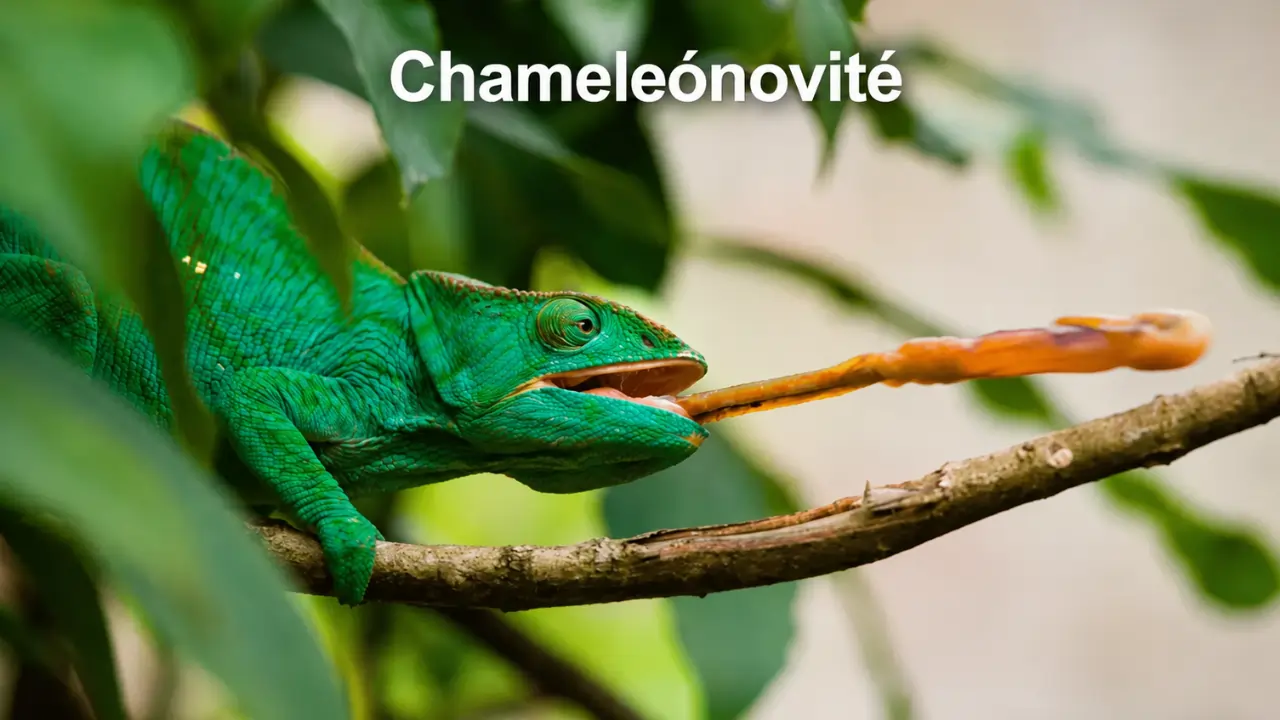
Chameleons have one of the fastest hunting tools in the animal world. Their long tongue can extend quickly from their mouth and capture insects before the prey has time to escape.
The tongue contains sticky tissue that helps hold the captured food securely. After catching the prey, the tongue quickly returns to the mouth.
What Do Chameleons Eat?
Most chameleons feed on insects such as crickets, grasshoppers, and other small creatures. Some larger species may also eat small animals when available.
Their hunting method allows them to save energy because they do not need to chase their food. They wait quietly until the right moment to attack.
Physical Adaptations That Help Chameleons Survive
Specialized Feet and Strong Grip
Chameleons have specially designed feet that help them hold onto branches and plants. Their toes are arranged in groups that work like natural gripping tools.
This adaptation allows them to move safely through trees and maintain balance even on narrow branches.
The Role of Their Tail
A chameleon’s tail acts as an additional support system. Many species use their curled tail to hold onto branches while climbing or resting.
Together with their feet, the tail helps them maintain stability in their natural environment.
Chameleons as Pets
Are Chameleons Easy to Keep?
Some chameleon species are kept as pets, but they require careful attention and suitable living conditions. They are not considered simple pets because their needs are different from common household animals.
A proper enclosure, correct temperature, humidity, lighting, and diet are necessary for their health.
Common Challenges in Chameleon Care
Many problems occur when owners do not understand the natural requirements of these reptiles. Incorrect environmental conditions can lead to stress and health issues.
Before keeping a chameleon, people should learn about its specific needs and behavior.
Conservation and Threats Facing Chameleons
Loss of Natural Habitats
Many chameleon species face challenges because their natural environments are being damaged. Forest destruction and changes in land use reduce the areas where these reptiles can live.
Protecting forests and natural habitats is essential for maintaining healthy populations.
Illegal Wildlife Trade
Some rare chameleon species are affected by illegal collection and trade. Responsible conservation efforts help protect vulnerable species and preserve biodiversity.
The survival of chameleónovité depends on protecting their habitats and respecting their role in nature.
Interesting Facts About Chameleons
- Some chameleon species are among the smallest reptiles in the world.
- Their eyes can move independently from each other.
- They use color changes for communication, not only camouflage.
- Their tongues can extend much farther than the length of their body.
- Many species spend most of their lives in trees and plants.
- Their slow movement helps them avoid attracting attention from predators.
Frequently Asked Questions About Chameleónovité
1. What does chameleónovité mean?
Chameleónovité refers to the family of chameleons, a group of reptiles known for their color-changing ability, specialized eyes, and unique adaptations.
2. Why do chameleons change their colors?
Chameleons change colors mainly for communication, temperature regulation, and responding to their surroundings. Color change is not only used for camouflage.
3. Where are most chameleons found?
Most chameleon species are found in Africa and Madagascar, although some species also live in parts of Asia, the Middle East, and Europe.
4. Can chameleons be kept as pets?
Yes, some chameleon species can be kept as pets, but they require specific care, including proper lighting, humidity, temperature, and nutrition.
5. What makes chameleons different from other reptiles?
Chameleons are different because of their independently moving eyes, fast hunting tongue, gripping feet, balancing tail, and ability to change skin colors.
Chameleónovité represent one of nature’s most specialized reptile families. Their unique abilities, survival techniques, and connection with their environment make them an extraordinary example of adaptation in the animal world.
Read More: Playing Games on Blog Playbattlesquare: A Complete Guide to Gaming Tips and Strategies